Overview
The GOOD-OARS Summer School aims to teach the skills and knowledge of the many disciplines needed to understand the ocean and atmospheric processes involved in ocean deoxygenation and ocean acidification. It will engage graduate, doctoral students, and early-career scientists to recent developments and methodologies in the study of biogeochemical and physical feedbacks between the ocean and atmosphere and how these affect marine ecosystems.
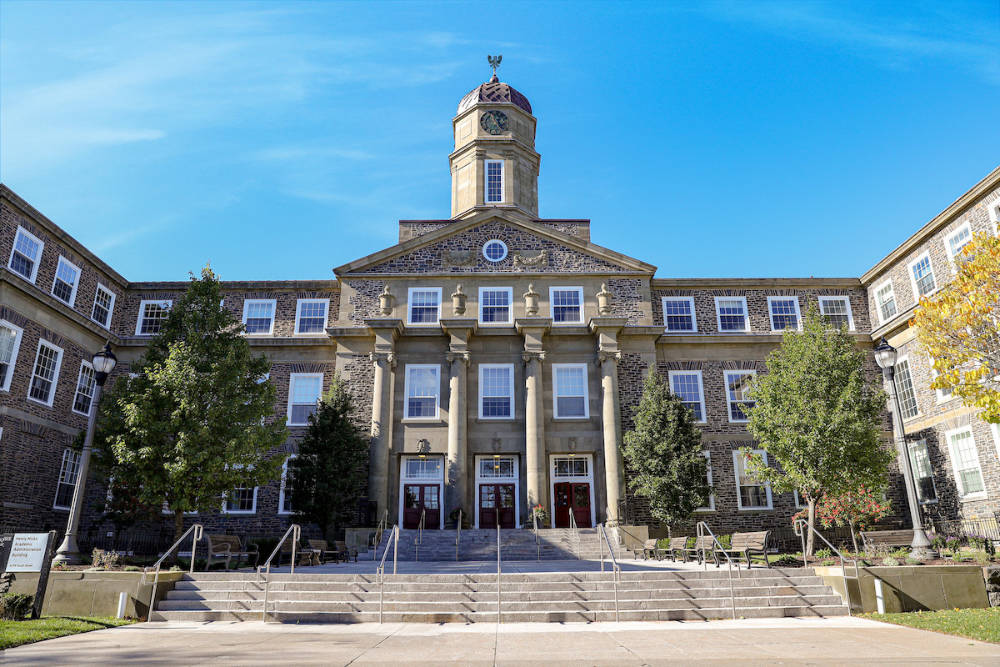
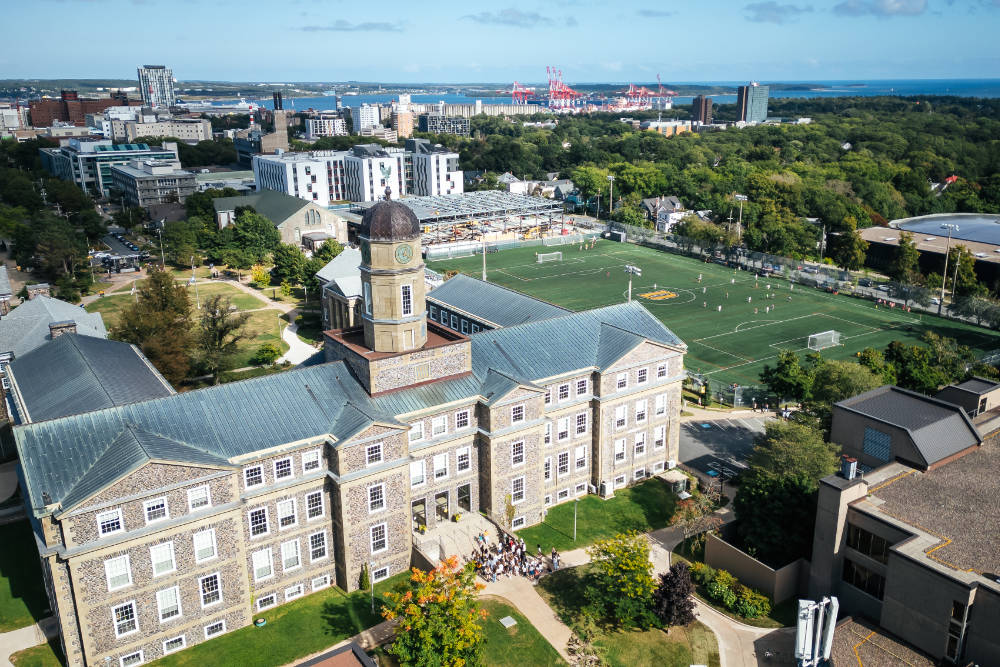
Hosted at Dalhousie University in Halifax, Nova Scotia, Canada, from August 10-19, 2027, the summer school will provide participants with the opportunity to engage with leading scientists involved in the Global Ocean Oxygen Decade (GOOD) and the Ocean Acidification Research for Sustainability Programme (OARS), along with Canadian research initiatives and expertise.
Throughout the course, participants will take part in theoretical seminars, practical exercises, laboratory experiments, special sessions, and informal discussions focused on ocean deoxygenation and acidification.
Organizations and partners







School directors
Organizing team
Scientific committee
Eligibility
The summer school is open to graduate, doctoral students, and early career scientists interested in interacting with world leading experts in the fields of ocean deoxygenation and ocean acidification to enhance their understanding of the processes constraining the future state of the oceans and environmental risks to marine habitats and ecosystems.
Duration
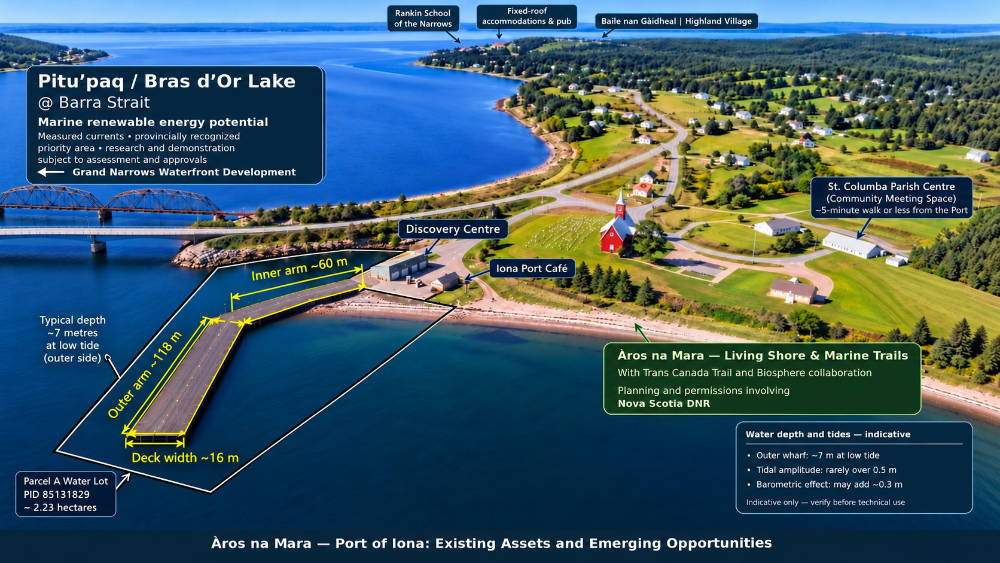
Hosted at Dalhousie University in Halifax, Nova Scotia, Canada and in Iona, Cape Breton, from August 10-19, 2027.
How to apply
The call for applications is open. Applicants should review the GOOD and OARS webpages before submitting the required details via the online application form. Applications must be submitted before January 15, 2027.
Review process
Once submitted, applications will be sent to the Scientific Committee for review. At least three reviewers will assess each application.
For any questions or queries related to the application, please contact Kirsten Isensee (k.isensee@unesco.org).
Applications will be assessed based on the following:
- Level and suitability of the applicant’s qualifications
- Relevance of study and interest to GOOD and OARS program themes
- Quality of the applicant’s personal statement
Once the Selection Committee has made its decision, successful applicants will be notified with the necessary next steps. Successful applicants will be notified by February 15, 2027.
Registration fee
As part of the registration process, participants will be required to pay a registration fee of USD $800. This fee covers accommodation, meals, lecture fees, and all costs associated with field trips and course activities throughout the summer school. The registration fee does not cover any expenses related to travelling to and back from Halifax, Canada.
Financial support
Students are encouraged to seek their own funding to cover travel and registration expenses. However, the success of an application is independent of funding. If needed, there may be opportunities for financial assistance to participate in the summer school.