Overview
The Research Implementation Unit (RIU) provides hands-on operational and technical support to help lower barriers to ocean observing and maximize the impact of research infrastructure.
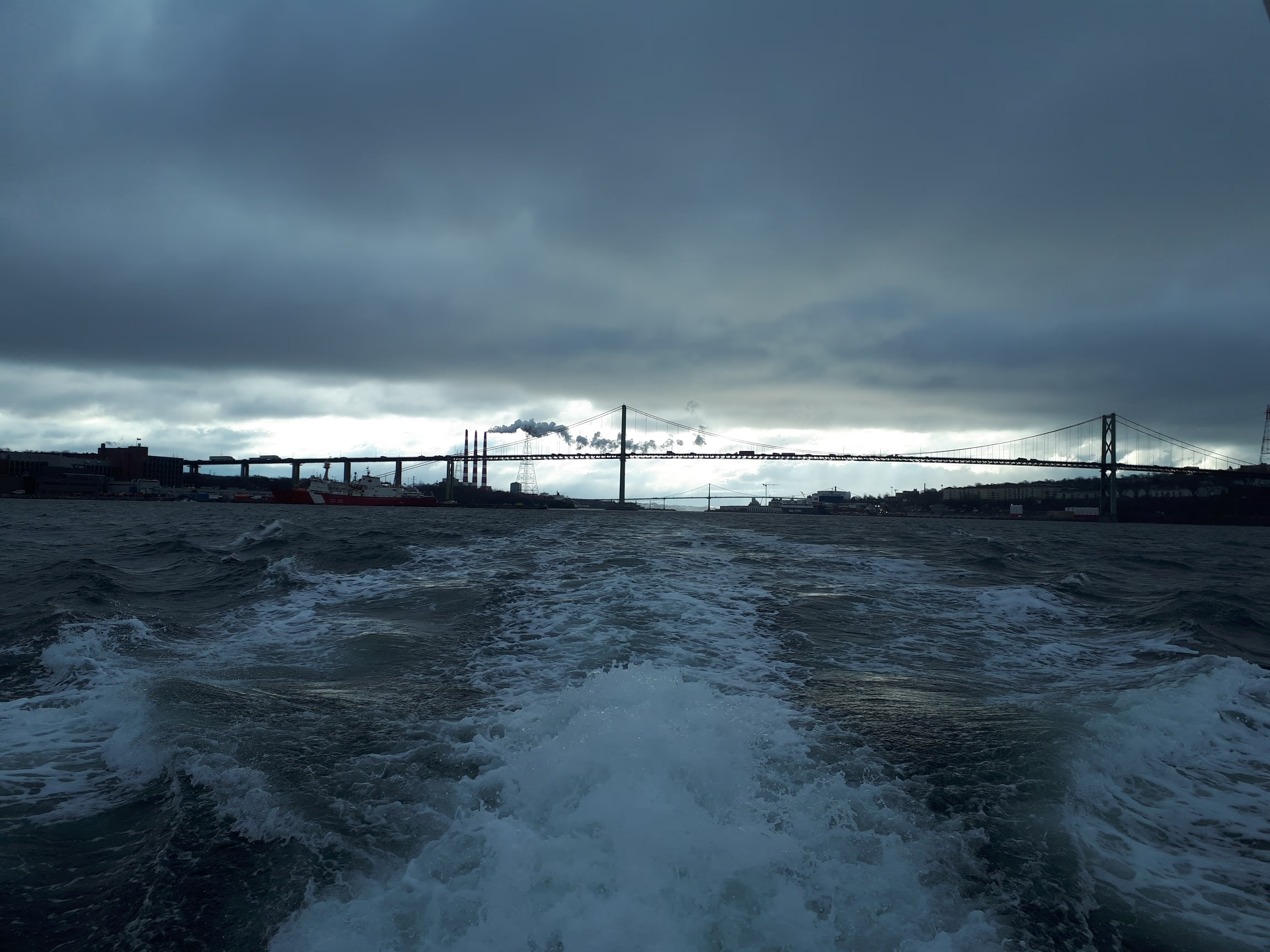
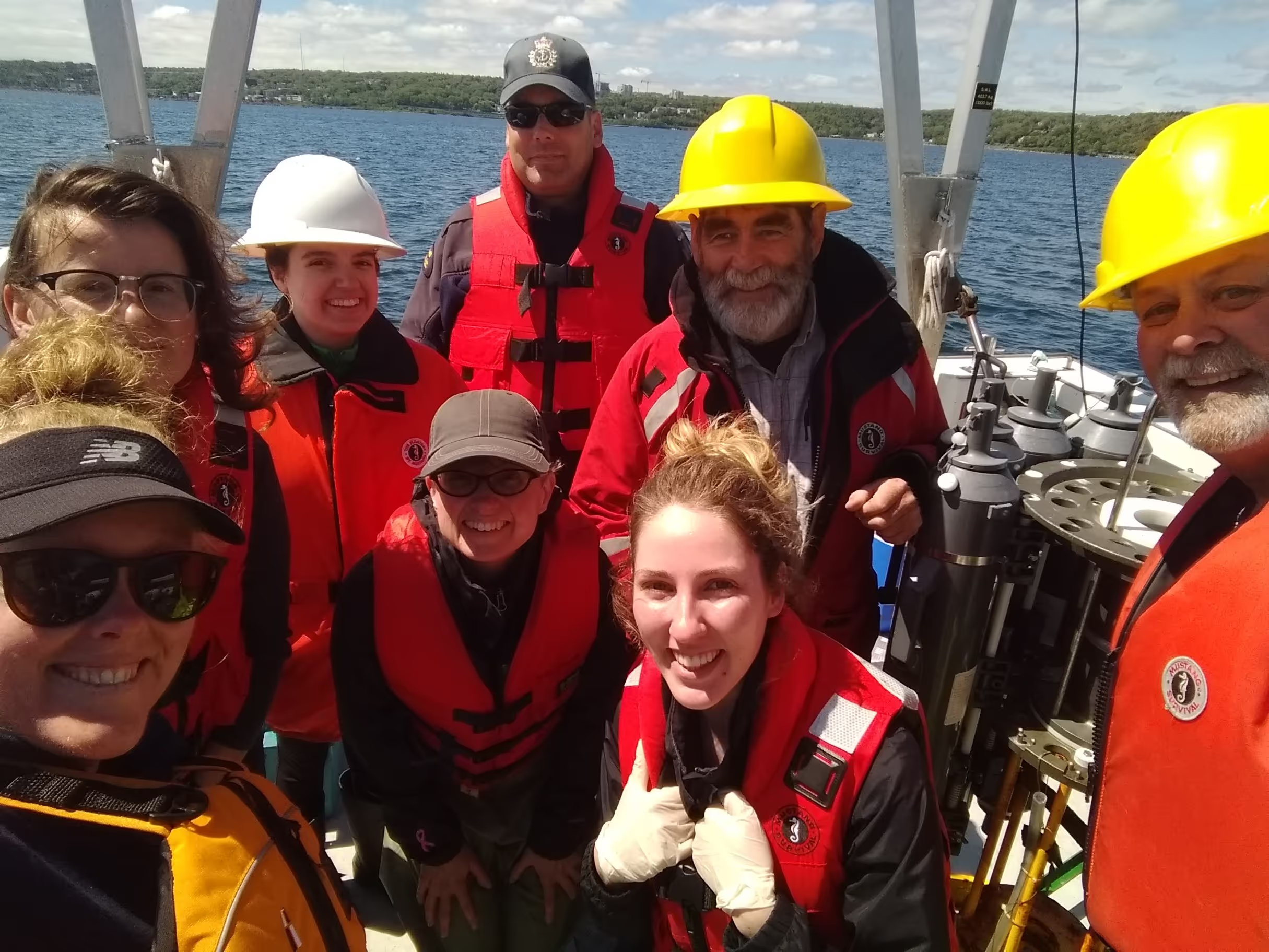
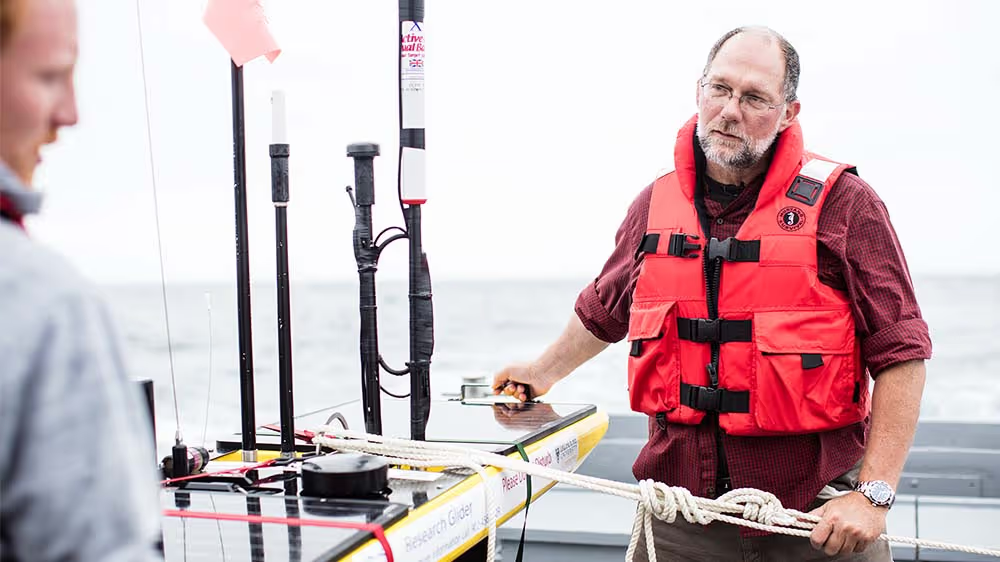
Supporting research implementation
Support is provided to OFI programs and researchers, and to external partners through collaborative or contracted observing and field support.
We provide support for:
- Field campaigns and logistics
- Equipment sourcing, maintenance, and operation
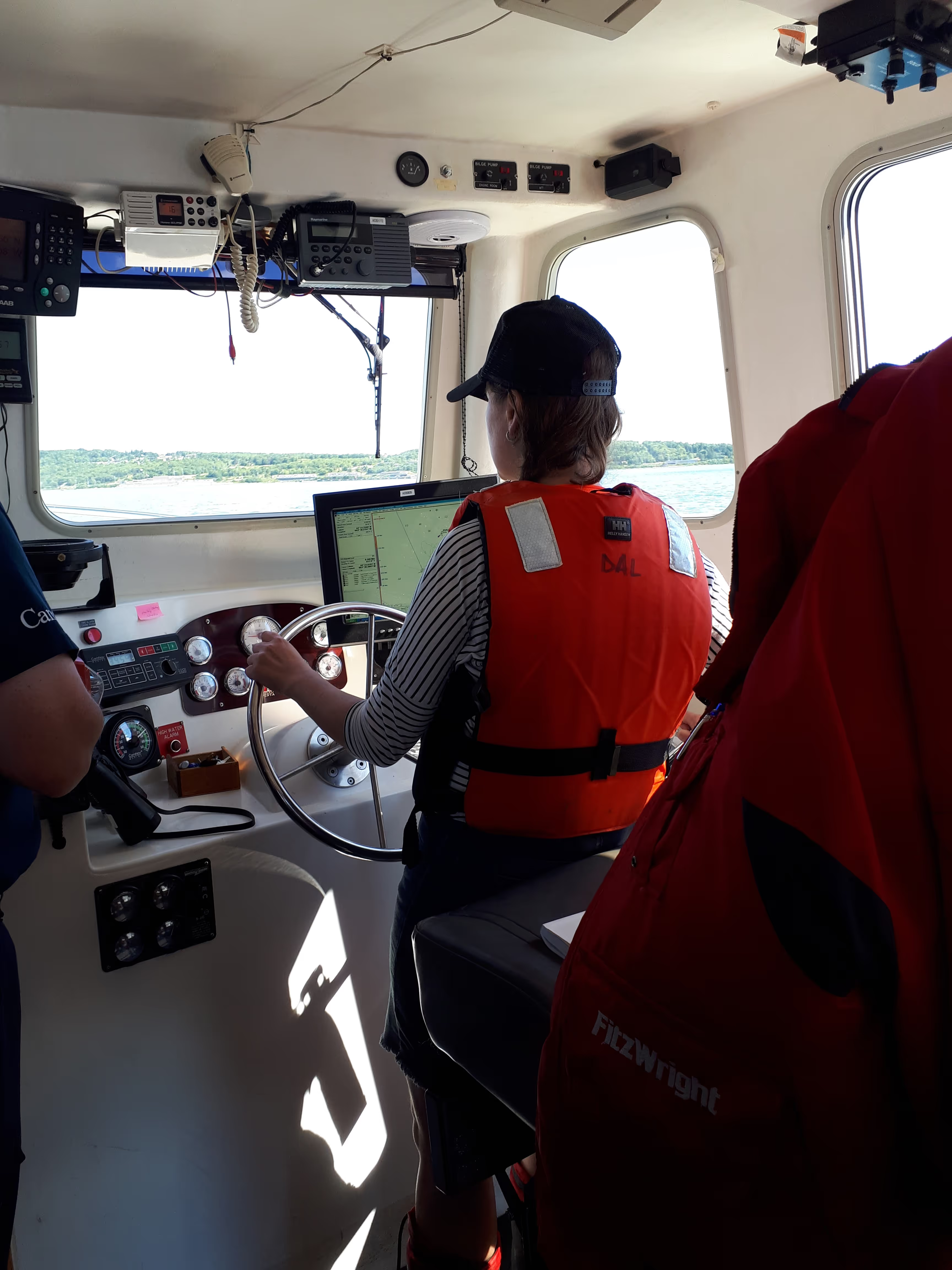
- Vessel and ASV support
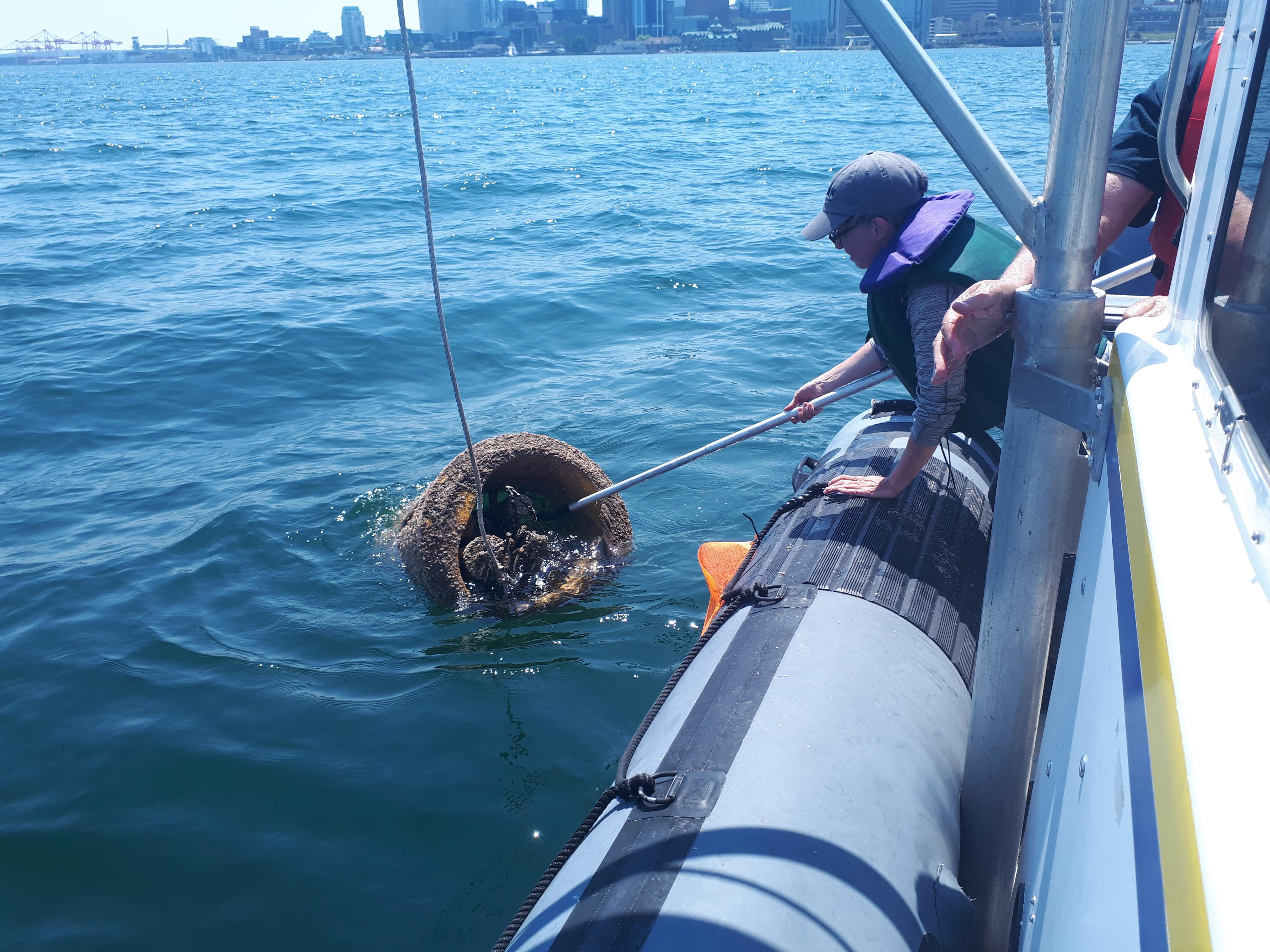
- Deployment of oceanographic platforms and sensors
- Sensor integration and calibration
- Technical design and custom solutions
- Data stewardship
- Data management
- Publication support
- Program automation and tools
- Long-term observing systems
Long-term observing programs
The Research Implementation Unit operates three sustained long-term observing programs:
Bedford Basin Long-Term Observing Platform
In partnership with the Department of Fisheries and Oceans, Dalhousie University has been collecting weekly water column profile data since 2008 in the Bedford Basin. The Bedford Basin Long-Term Observing Program is the longest weekly oceanographic timeseries in eastern Canada, with three different sampling platforms: two vertical profile casts and a set of water samples collected at discrete depths for further lab analysis.
CODAR High Frequency Radar System
The CODAR system provides high-resolution ocean current data across a broad section of the Scotian Shelf off the eastern coast of Nova Scotia. This data helps inform a variety of marine uses, including wave and wind monitoring, maritime search and rescue, marine navigation, ocean pollution mitigation, and tsunami detection.
Benthic Observing Platforms
The Bedford Basin Benthic Pod provides high temporal resolution data on bottom water conditions in shallow coastal areas. Deployed for up to six months, the pod uses sensors to record hourly measurements of temperature, conductivity, nitrate concentration, carbon dioxide, dissolved oxygen, and chlorophyll. This data provides important information about biogeochemical processes and short-term environmental events near the water-sediment interface that may be missed by weekly sampling.
Request support
Have a project in mind? We can help identify efficient ways to support it using our expertise and assets.