The mCDR in Canada Forum, hosted by the Ocean Frontier Institute with valuable input from supporting and coordinating partners, marked a milestone moment for Canada’s emerging marine carbon dioxide removal (mCDR) sector. Bringing together participants from British Columbia, Ontario, Prince Edward Island, Newfoundland and Labrador, and Nova Scotia, the Forum reflected a truly national view on mCDR. Over two packed days in December, we convened one of the most diverse, knowledgeable, and forward-thinking climate communities in Canada.
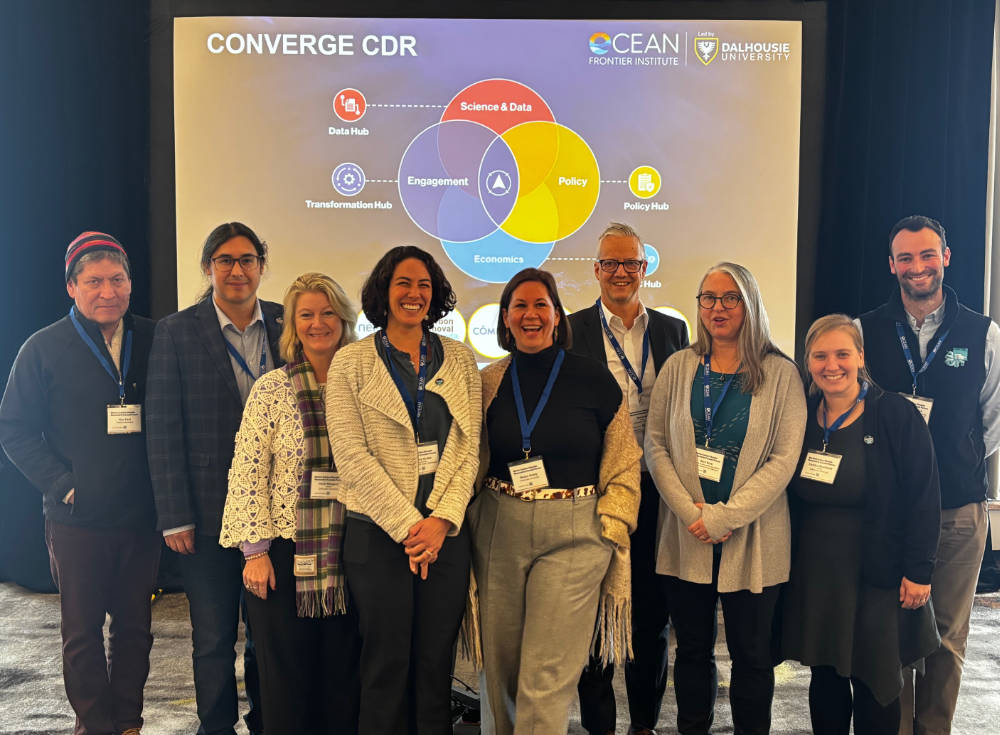
A Forum Defined by Diverse Voices and Shared Purpose
During the Forum, Indigenous leaders, federal and provincial regulators, companies developing breakthrough carbon removal technologies, researchers, community organizations, and funders all contributed to a shared goal: to inform and shape a responsible and science-driven mCDR sector in Canada. By bringing together this diverse mix of voices, the Forum facilitated collaboration on key topics of the emerging sector.
Over 120 attendees heard from more than 40 speakers on diverse topics through the perspectives of the public and communities, industry, finance, policy and regulations, and research. As we listened to presentations, and joined open dialogues and final discussions, it became clear that Canada is not simply exploring mCDR. The early work has put Canada in a global leadership position across many aspects of research, engagement, and industry.
Special Addresses: Economic Opportunity Meets Policy Leadership
Akash Rastogi, Chief Capital Strategy Officer at Canada’s Ocean Supercluster, presented highlights from a featured report on mCDR, emphasizing its role as a strategic component for meeting Canada’s climate goals. He highlighted the substantial economic opportunities it represents for Canada, if collaborative efforts lead to enabling conditions, including proactive engagement with Indigenous communities, regulatory clarity, and funding for research and pilot projects.
Featured speaker, Senator Colin Deacon, delivered a powerful message on how research drives continuous learning, deepening our understanding over time. He emphasized that Canada must ensure that regulation can keep pace with innovation, especially when that innovation is critical to our climate commitments.
Building through Clarity and Trust
The Forum captured the pulse of the mCDR sector, sparking discussions on key challenges from leveraging the strengths of Indigenous and Western knowledge systems to quantifying uncertainty in ocean monitoring, reporting, and verification (MRV) and adapting regulatory frameworks. The conversations that took place reflected a commitment to rigor and responsibility from a sector unwilling to move forward without clarity and trust.
Providing a platform to share pressing questions, the Forum helped the sector think about areas where clarity is needed to support further decisions. Progress in mCDR isn’t just about technology, it requires thoughtful engagement, scientific precision, and careful consideration of ecological and social dimensions. This reinforced that building a trusted, effective mCDR sector demands both scientific rigor and deep societal engagement.
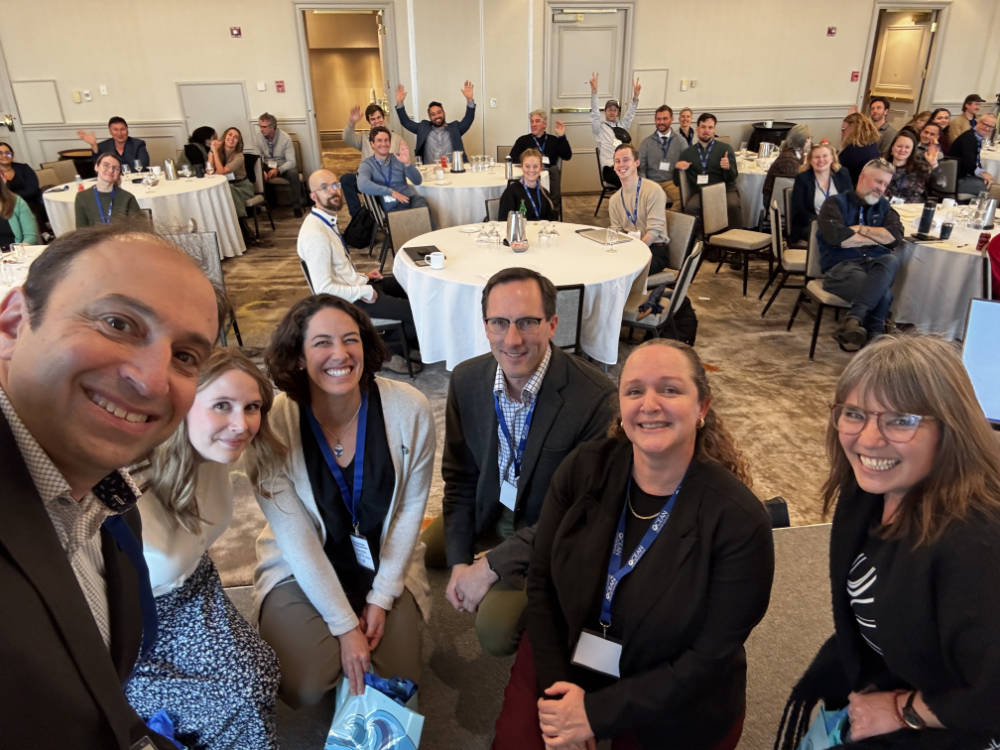
Converging Ideas for Climate Solutions
Building on the strength of diverse perspectives and collaboration, OFI is leading a complementary effort through CONVERGE CDR. This research program brings together science, policy, data, engagement, and economic insight to help inform the mCDR sector in Canada.
The program was built around a simple but transformative idea: climate solutions require more than great science; they require a convergence of science, data, policy, engagement, and economic insight. The Forum successfully showcased the power of this convergence in action, from modeling mCDR impacts on ocean ecosystems and food webs to linking those insights with the Nitrogen cycle and its role in productivity and greenhouse gas emissions.
Presentations highlighted intersections between law, public engagement, and business models as foundations for adaptive governance, as well as research proposing responsible assessment approaches and a framework grounded in Free, Prior, and Informed Consent (FPIC) with the Mi’kmaq in Nova Scotia to guide mCDR development.
Why This Forum Mattered
The mCDR in Canada Forum demonstrated that Canada is working hard to inform and build a responsible, equitable, and science-anchored approach to marine carbon removal.
The mCDR community convened at a pivotal moment, creating space for honest exchange and shared commitment to responsible progress. By bringing together Indigenous leaders, regulators, researchers, industry, and community voices, it clarified where alignment is essential and where work remains. The event underscored that Canada is leading a broader conversation about how the sector can be built with integrity, transparency, and societal benefit at its core. The conversations that started at the Forum will help shape the future of the mCDR sector over the next decade.
This event reflects the importance of working together. Thank you to supporting partners Net Zero Atlantic, Carbon to Sea Initiative, and Invest Nova Scotia, and coordinating partners Carbon Removal Canada, COVE, and Canada’s Ocean Supercluster for championing this initiative and advancing Canada’s role in global climate solutions.