
Science and data
Co-designing and applying biogeochemical models to inform mCDR validation and ecosystem impacts
This research will strengthen our capacity to predict how potential marine carbon dioxide removal (mCDR) projects may affect ocean nitrogen cycling, with implications for nutrient dynamics, water quality, and greenhouse gas feedbacks.
The project will:
- Write a new nitrogen cycle model to integrate into the open-source Oceananigans–OceanBioME modeling framework.
- Quantify potential positive and negative impacts on nutrients dynamics, such as water quality, and greenhouse gas emissions, during simulations of ocean alkalinity enhancement within the Bedford Basin.
- Collaborate with the other CONVERGE CDR Science HERO to pair biogeochemical modeling outputs with ecosystem-based modeling to assess potential cascading effects of altered nutrient dynamics during OAE on the food web and high-trophic levels.
- Through workshops led by the CONVERGE CDR Community Engagement HERO, co-design mCDR model scenarios with Indigenous communities to assess potential impacts of mCDR related to their priorities.
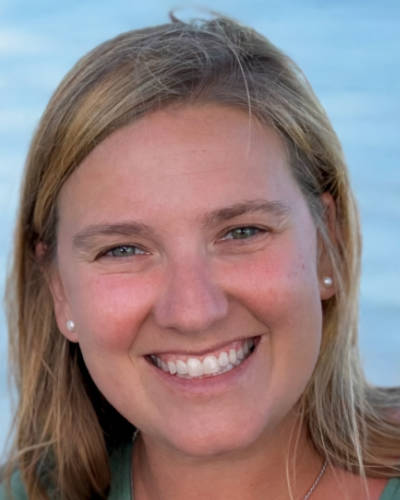
Dr. Carolyn Buchwald
Department of Oceanography
Dalhousie University
Dr. Carolyn “Carly” Buchwald is an Associate Professor and Canada Research Chair in Ocean Chemistry in the Department of Oceanography at Dalhousie University. Her research program is centered on nitrogen cycling and microbial biogeochemistry in the ocean, using stable isotopes to understand how nutrients are transformed in marine systems. Building on this foundation, her current work focuses on marine carbon dioxide removal (mCDR), examining how ocean-based climate solutions such as ocean alkalinity enhancement and seaweed aquaculture interact with natural carbon and nitrogen cycles. Her research integrates field studies, experiments, and isotope techniques to evaluate the effectiveness and environmental impacts of emerging mCDR approaches.
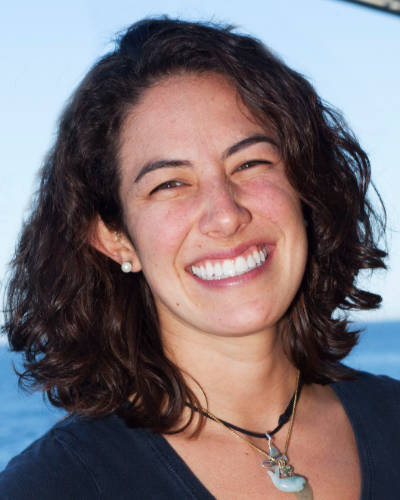
Dr. Kalina Grabb
HERO Postdoctoral Researcher
Dalhousie University
Dr. Kalina Grabb is a chemical oceanographer who enjoys conducting science that is informed by policy and local community priorities, including fishing and Indigenous communities. She currently is a postdoctoral fellow at Dalhousie University in Halifax, Canada, where she is the Research Lead of Ocean Frontier Institute’s CONVERGE CDR program. Kalina’s research has spanned sensor development, nutrient cycling, reactive chemicals, and marine carbon dioxide removal. Kalina completed her PhD in 2022 in chemical oceanography at MIT-Woods Hole Oceanographic Institution (WHOI) and has worked across the science-policy interface at U.S. National Oceanic and Atmospheric Administration (NOAA) Ocean Acidification Program, WHOI Marine Policy Center, and NOAA Northeast Fisheries Science Center. Kalina grew up in the land-locked state of Colorado and in her free time, enjoys studying oceanographic phenomena through sailing, diving, kiting, and long swims on the beach.


