After 10 months of hard work across Canada, a new cohort of eight scholars has successfully graduated from The Nippon Foundation-Partnership for Observation of the Global Ocean (NF-POGO) Centre of Excellence in Observational Oceanography (COE) program.
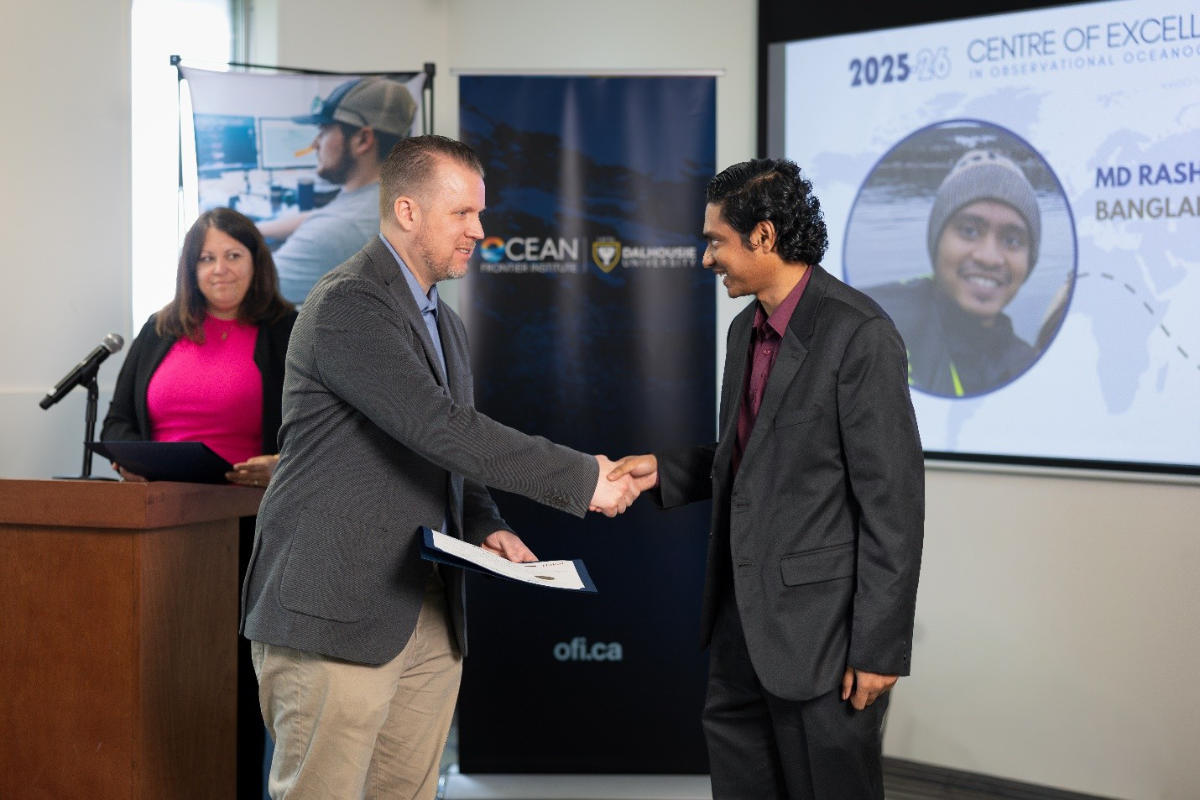
The scholars received their program certificates during a recent ceremony at Dalhousie University on July 30. Hosted by OFI, in partnership with Dalhousie, the Fisheries and Marine Institute of Memorial University, the Hakai Institute, and key curriculum delivery partner the International Ocean Institute-Canada, the NF-POGO COE program builds skills for championing ocean observation globally.
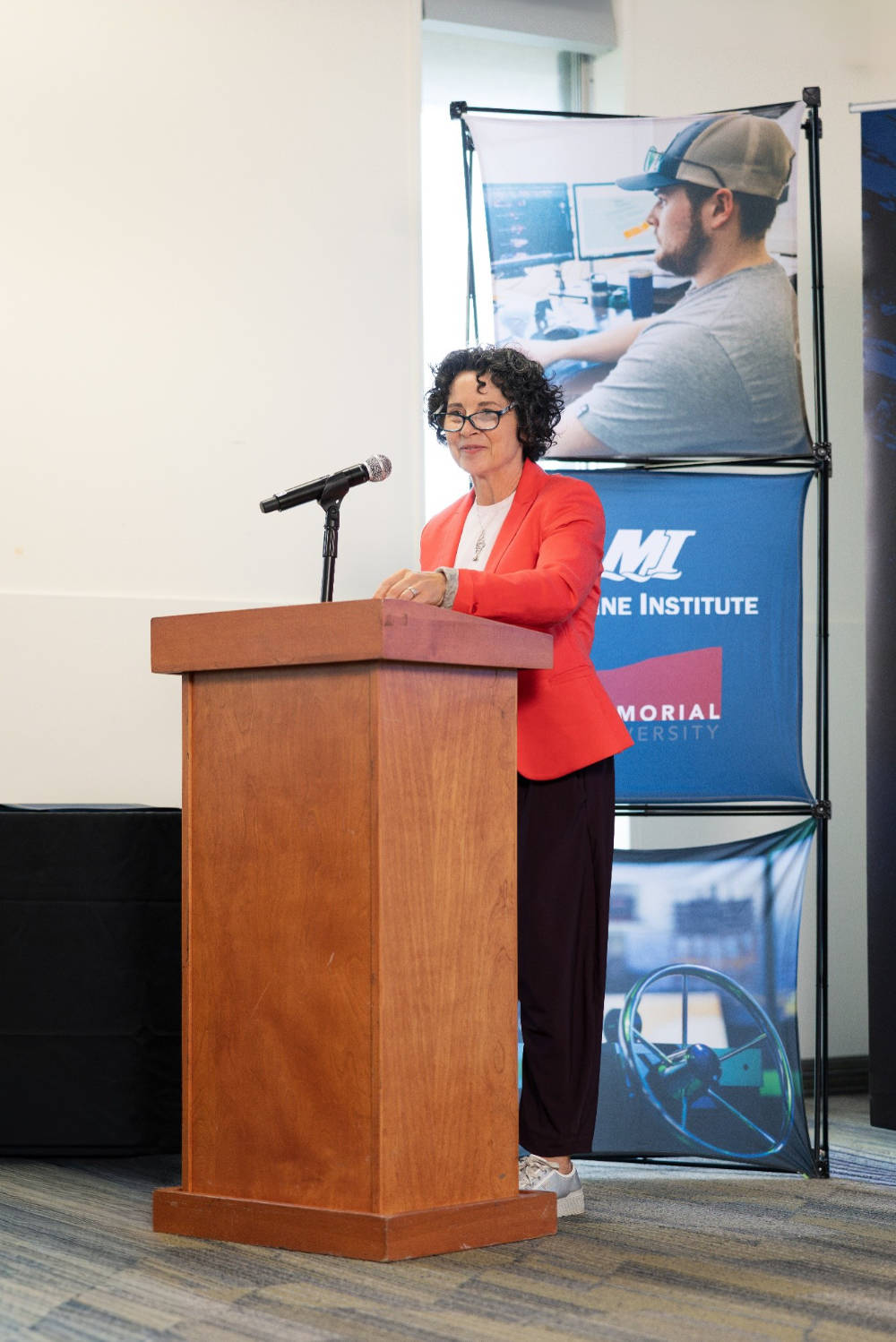
“Throughout this program, you gained not only technical knowledge and practical skills, but also something equally valuable—a global network of peers and collaborators,” said Maxine Westhead, director of the Marine Affairs Program at Dalhousie.
It is our collective hope that you will carry forward what you gained through this program to make a meaningful contribution and impact in your home countries and also the ocean.
Skills, knowledge, and connections
Mitsuyuki Unno, executive director of the Ocean Affairs Department at The Nippon Foundation, emphasized that the success of human capacity development efforts like the NF-POGO COE program depend on what graduates contribute to the international community. He reminded the graduates that they not only have the tools to make an impact, but also the necessary resources, such as a network of program alumni and funding and support from the Foundation, to facilitate such efforts.
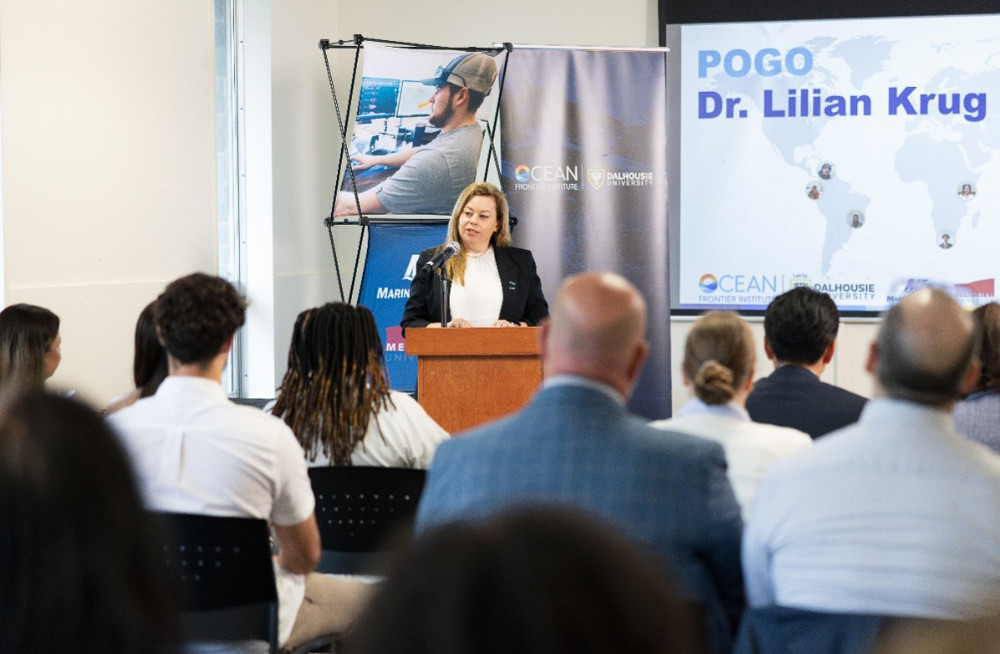
For Dr. Lilian Krug, scientific co-ordinator at POGO and former NF-POGO COE scholar, the program provided the skills and knowledge to help them grow as a researcher and opened the door to an international network of peers, mentors, and collaborators united by a shared sense of purpose.
Dr. Krug emphasized that being part of this community comes with a responsibility to support future researchers and share knowledge, adding, “when the time comes and you are in the right position, pass it forward.”
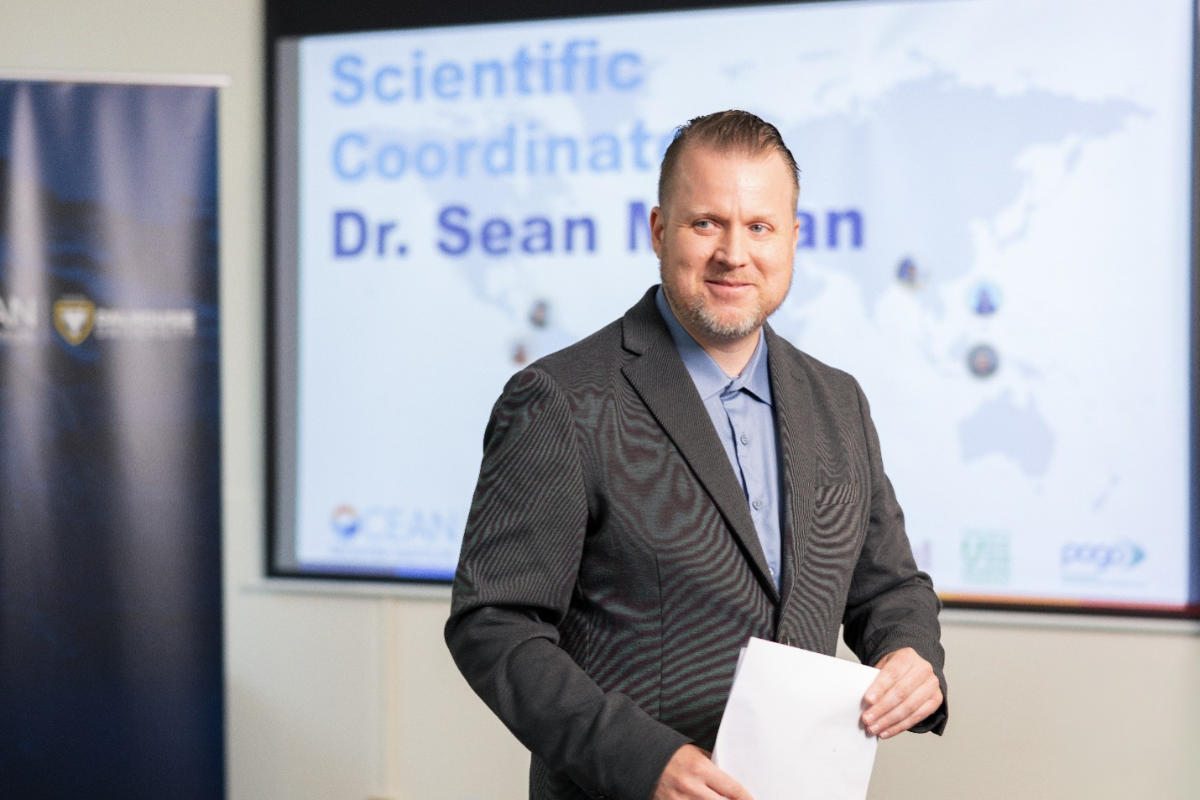
Dr. Sean Mullan, an instructor at the Marine Institute and scientific coordinator for the NF-POGO COE program, spoke to the scholars about the importance of building connections between institutions and maintaining the relationships established within the program.
“This graduation marks an end, but for the Centre of Excellence it marks a beginning,” he says.
We are strengthening eight connections within the global human network that makes ocean observation possible. That matters because ocean and atmosphere do not recognize national borders.
Ready to make an impact
Md Rashed-Ul-Alam is one the eight scholars who participated in this year’s NF-POGO COE cohort. Originally from Bangladesh, he says the program exposed him to new approaches to ocean observation and data gathering, such as remotely operated vehicles and bathymetric surveying using side-scan and multi-beam sonar.
“Just seeing how these technologies are used, I understand how they could be integrated into the research being done in Bangladesh,” he says.
And the new people I’ve met have allowed me to develop my networking skills and opened the doors for collaborating in the future.
Rashed-Ul-Alam plans to pursue a doctorate degree and return to Bangladesh to help advance the field of ocean science. “For the long term, I’d like to stay in academia or research, possibly by joining a government institute or one of the universities in Bangladesh so I can share what I know and contribute to our ocean stewardship," he says.
Reflecting on her participation in this year’s cohort, Joana Maningas called it a big step forward in her growth as an oceanographer, adding that what she gained went beyond new skills and knowledge.
“The biggest lesson from this journey was learning from each other and the different perspectives reminded us that our ocean goes beyond borders and requires collaborations,” she says.
We leave not only with skills and knowledge, but also with friendship, memories, and a shared commitment [for] exploring and protecting our oceans.