Overview
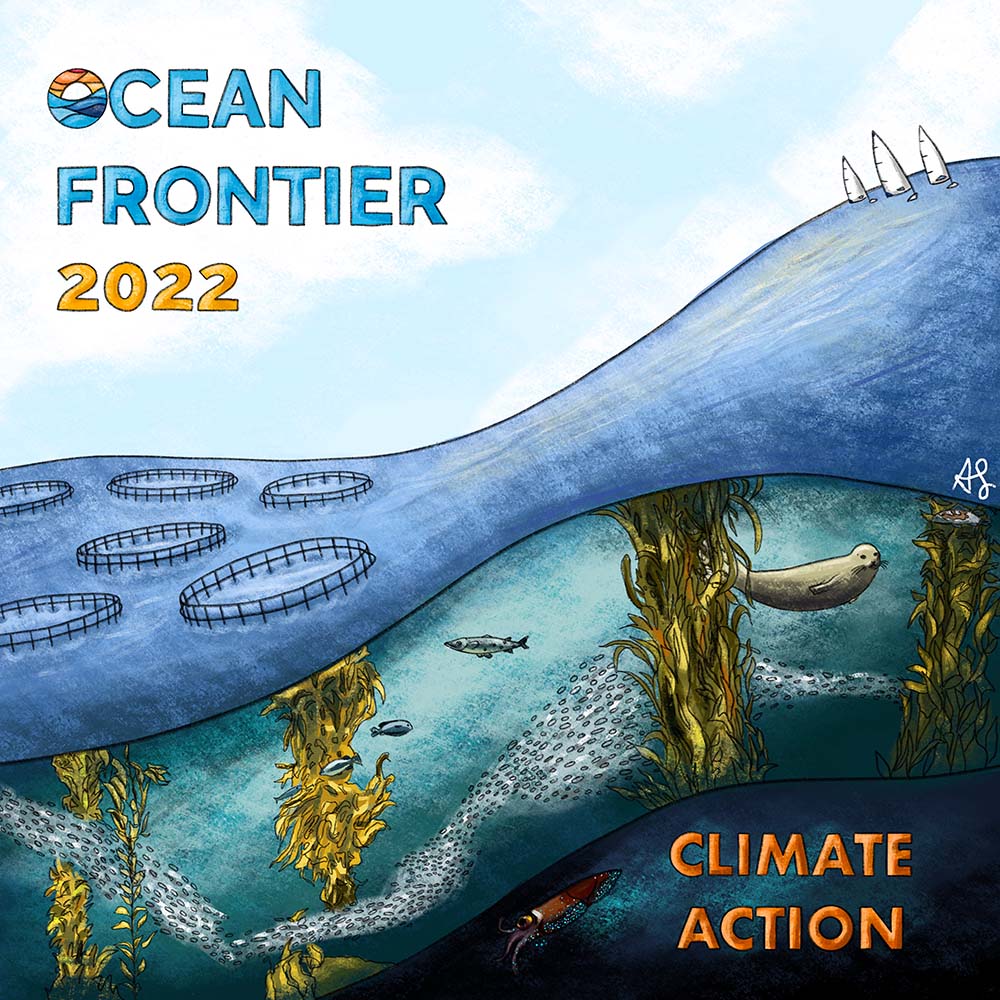
Some of the most pressing global issues at the frontier of the ocean-climate nexus were discussed at Ocean Frontier 2022, including achieving net zero, developing sustainable food from the ocean, and protecting ocean biodiversity.
Thank you to everyone who attended or sponsored the conference!
Agenda
Monday May 16, 2022
Registration & Welcome Reception
The Ocean Frontier Institute welcomed all conference delegates in style with a Welcome Reception on Monday evening. Drinks and snacks were served while colleagues connected and made new connections.
Tuesday May 17, 2022
Achieving Net Zero
Ocean carbon uptake is changing at an uncertain rate and has the potential to fail, critically exacerbating global changes and compromising net zero ambitions. Unprecedented human-induced climate change increasingly impacts the vital ocean carbon sink. However, in climate policy, the ocean is missing — a gap representing the most significant miscalculation of climate policy by nations. Global industry and investment practices are at risk and climate policy frameworks do not account for the changing ocean carbon, treating the ocean as a constant, rather than a variable carbon sink. This session convened leaders in industry, policy and science to discuss the most pressing issues facing industry and policy in achieving net zero and how OFI research is working to provide necessary insights into this complex system.
Session Moderator
- Marie-Chantal Ross, Ocean Program Director, National Research Council
Invited Speakers
- Catherine Abreu, Founder & Executive Director, Destination Zero
- Rachel Chang, Assistant Professor, Canada Research Chair in Atmospheric Science, Dalhousie University
- Katja Fennel, Killam Professor, Dalhousie University
- Minister Steven Guilbeault, Minister of Environment and Climate Change
- Jean-Francois Houle, VP Engineering at National Research Council Canada
- Stacy Kauk, Head of Sustainability, Shopify
- David Millar, Government Accounts Director, Americas, Fugro
- Mike Smit, Deputy Scientific Director, Ocean Frontier Institute and Associate Dean (Academic), Dalhousie University
- Anya Waite, Scientific Director & CEO, Ocean Frontier Institute
People and the Ocean
The oceans and climate are changing because of people and the feedback loop has incredible impacts on people’s daily lives and long-term social, governance, and business plans. This session was intended to highlight some of the most pressing issues and challenges at the interface of people and the ocean in a changing climate. Social sciences and humanities researchers, community leaders, and NGOs discussed the complex interactions between society, economy, culture, and marine and coastal environments in Canada and globally.
Session Moderator
- Ratana Chuenpagdee, University Research Professor, Memorial University
Invited Speakers
- Karen Gillam, CEO, Workforce Warriors
- Tanna Pirie-Wilson, Officer, Workforce Warriors
- Carolann Harding, CEO, SmartICE Sea Ice Monitoring & Information Inc.
- Jac Gautreau, Director of Business Development, Distribution and Production, Ocean School
- Robert Stephenson, Research Scientist, St. Andrews Biological Station
The imperative of ocean-based CDR
The ocean safely holds more carbon than any other part of the biosphere. As the largest carbon sink, it must be much better understood, and likely employed, to accelerate the safe removal and storage of more atmospheric carbon. While the ocean has enormous potential for carbon dioxide removal (CDR), and there are several emerging technologies and innovations, it will take significant scaling of research, technology development, engineering, investment, and enabling national and international policies to determine whether ocean-based CDR can be deployed at the massive scale needed to achieve net-zero targets. This session convened leaders across disciplines to outline the critical priorities for science, investment, MRV, social and political license, and governance.
Invited Speakers
- Brad Ack, Executive Director and Chief Innovation Officer, Ocean Visions
- Will Burt, Senior Marine Chemist, Planetary Technologies
- Max Chalfin, Director of Research, Running Tide
- Matthew Eisaman, Chief Technology Officer, Ebb Carbon
- Antonius Gagern, Program Director, Ocean CO2 Removal at Additional Ventures
- Jeff Larsen, Assistant Vice President Innovation & Entrepreneurship, Dalhousie University
- Surita Maddox, Regional Director, Innovation, Science and Economic Development
- Randall Purcell, Founding Director, Seafields
- Adam Subhas, Assistant Scientist, Woods Hole Oceanographic Institution
- Doug Wallace, Professor, Department of Oceanography, Dalhousie University
Wednesday May 18, 2022
Food from the Ocean
Food from the ocean is becoming increasingly more important as the population continues to grow and the world looks for sustainable and low-carbon alternatives to land-based agriculture. Climate change is impacting international fisheries governance and how industries are making decisions and investing in the future of capture and caged fisheries, as well as other protein and plant-based foods from the ocean. Scientists are working at the forefront to understand the changing ocean environment and how to optimize sustainable and efficient food security and resource management. This session convened leaders in industry, policy and science to discuss the most pressing issues facing industry and policy in managing these precious resources and how OFI research is working to provide necessary insights into the complex systems.
Session Moderator
- Laurenne Schiller, Liber Ero Postdoctoral Research Fellow, Carleton University
Invited Speakers
- Premier Andrew Furey, Premier of Newfoundland and Labrador
- Stefanie Colombo, Assistant Professor and Canada Research Chair, Aquaculture Nutrition, Dalhousie University
- Jean-Paul Deveau, President & Chief Executive Officer, Acadian Seaplants
- Mark Fast, Chair, Pathology and Microbiology Professor, University of Prince Edward Island
- Kristin Kleisner, Senior Director, Environmental Defense Fund
- Jennifer LaPlante, Executive Director, DeepSense
- Chief Terry Paul, Chief and CEO, Membertou
- Matthew Rise, Professor, Department of Ocean Sciences, Memorial University
- John Risley, Chairman and CEO, CFFI Ventures and Chair, Canada's Ocean Supercluster
- Peter Tyedmers, Professor, School for Resource and Environmental Studies, Dalhousie University
Innovation & Commercialization
Researchers and entrepreneurs are increasing the impact of their expertise by commercializing their innovative technology, products, and services and bringing them to the market. Sustainable development of ocean resources are enabled through these innovative commercial ventures. Ocean Frontier Institute and Ocean Startup Project form the base of the innovation and commercialization funnel through aligned programs to inspire, initiate, and invest in new ocean ventures. Founders from Seed Fund, Lab2Market, Ocean Startup Challenge, and Creative Destruction Lab programs provided three-minute speed presentations on their work to develop new ventures to support ocean sustainability.
- Kendra MacDonald, CEO, Canada's Ocean Supercluster
- Kerri Smith, Seed Fund, Reconstructing the spatial and trophic ecology of the stranded Sambro blue whale
- Fadi Oudah, Seed Fund, Probabilistic tools to assess the impact of climate change on coastal infrastructure
- Rachael Cadman, Seed Fund, Participatory mapping on Labrador Inuit use and value of the marine environment
- Hugh MacIntyre, Seed Fund, Up-cycling high-nutrient wastes through algal culture
- Kyle Rauch, Seed Fund, UV-LEDs for disinfection of salmon pathogens
- Daniel Ruzzante, Seed Fund, Population abundance estimates of ecologically and economically important species
- Peter Rawsthorne, Ocean Set, Brokerage platform to acquire and exchange ocean data and algorithms
- Beth Mason, Skaldyr, Green extractions of marine derived natural products and ingredients
- Kshitij Jha, Kavacha, Improving shellfish farming sustainability by reducing biofouling and plastics
- Stephen Jones, Ashored, Sustainability-enabling technologies for the commercial fishing industry
- Celeste Leroux, SeafoodCheck, Evaluating Illegal, unreported and unregulated fishing risk in seafood trade
- Zhuliang Tan, SuBait, Sustainable lobster bait
- Ben Wiper, 3F Waste Recovery, High-value collagen products from seafood processing by-products
Poster Sessions
OFI-affiliated scientists and engineers gathered to share the progress and outcomes of their frontier research. Posters included contributions from the diverse range of OFI initiated programs, including the Large Research programs, Seed Fund projects, Opportunities Fund projects, and studies from International Postdoctoral and Visiting Fellows.
Delegate Dinner
Peers gathered for a special evening to remember that included some of the best music and fare from Atlantic Canada.
Thursday May 19, 2022
Biodiversity
Concurrent with the global climate crisis, the ocean is facing a biodiversity crisis that risks severe impacts on ocean ecosystems and how they function. A healthy and biodiverse ocean ecosystem is prerequisite to all other functioning elements of the ocean, including carbon sequestration and harvesting sustainable food from the ocean. Ocean Frontier Institute researchers are working on a range of topics that intersect these crises, including Marine Protected Areas and their positive impacts on biodiversity and climate, using environmental DNA for biodiversity assessments, and identifying indicators to monitor ocean health. This session convened leaders in industry, policy and science to discuss pressures on ocean biodiversity, and how industry, policy and science can align to provide the needed insights, protection, and investments to achieve a healthy and productive ocean ecosystem.
Session Moderator
- Jake Rice, Chief Scientist, Emeritus, Department of Fisheries and Oceans
Invited Speakers
- Daniel Boyce, Research Scientist, Fisheries and Oceans Canada
- Andy FIllmore, MP for Halifax and Parliamentary Secretary to the Minister of Innovation, Science and Industry
- Kristina Gjerde, J.D., Senior High Seas Advisor, IUCN's Global Marine and Polar Programme
- Peter Houlihan, Executive Vice President Biodiversity & Conservation, XPRIZE
- Julie Laroche, Professor, Department of Biology, Dalhousie University
- Johan Lopez, Network Coordinator for the Americas, UNEP Finance Initiative
- Deep Saini, President and Vice-Chancellor, Dalhousie University
- Paul Snelgrove, Associate Scientific Director, Ocean Frontier Institute
- Geneviève Therriault, Professeure en psychopédagogie de la formation pratique au secondaire
- Derek Tittensor, Jarislowsky Chair in Marine Ecosystem Forecasting & Associate Professor, Dalhousie University
- Boris Worm, Ocean Literacy Ambassador, Ocean Frontier Institute
Videos
Image gallery


Publications
Authors: Aida Zeighami, Barret Kurylyk
Water temperature is a critical water quality parameter for shallow coastal waters due to its influence on physical, chemical, and biological processes. Although many studies have considered changing freshwater and ocean temperature, little work has been conducted on the future thermal regimes in transitional, coastal water bodies. Water temperatures in semi-enclosed coastal water bodies are mainly governed by advection (e.g., from the ocean and inflowing rivers) and atmospheric exchange processes that exhibit pronounced spatial and temporal variability. Coastal water temperatures will likely increase in the coming decades due to changes in inflowing river water temperature and heat exchange with the atmosphere and ocean. However, the combined effects of atmospheric and oceanic climate change on coastal thermal regimes are poorly understood. We focus this study in the Basin Head Lagoon, a Marine Protected Area in eastern PEI that supports an endemic population of giant Irish moss that is threatened by rising lagoon temperatures. To simulate water temperature patterns in space and time, we used the MIKE 3 FM coupled with a temperature module (DHI, 2022). Field data (tidal levels, salinity, and temperature) were used to assess the numerical model performance. The model is applied to provide a framework for predicting how tides, freshwater discharge, and atmospheric heat fluxes interact to control temperature extrema within the lagoon. Ongoing work is focused on the impacts of climate change on estuarine water temperatures and associated ecological dynamics.
Authors: Amy Irvine, Vincenzo Corelli
Ensuring the conservation and sustainability of marine ecosystems and the continued provision of ecosystem services to society (e.g., food, carbon sequestration) are key intended outcomes of Marine Protected Areas (MPAs) within Canada’s exclusive economic zone. With climate change ongoing and accelerating, however, MPAs may become less effective at fulfilling these outcomes. As many species, especially those at thermal range limits, cannot adapt to a warming ocean, their populations may become locally extinct or shift to cooler waters, causing new species compositions and ecosystem dynamics within static MPA boundaries. Canadian MPA management follows international guidelines for marine preservation to mitigate climate change effects, yet no consistent approach exists for adapting MPA networks to changing ecosystems. My research aims to integrate predicted changes from climate into the Nova Scotian MPA network by projecting shifts in species distributions, identifying the timing for the “exit” of native species and “entry” of invasive species within MPAs, and quantifying and developing indicators of the ecological disruption caused by these changes in the biological community. Projections of ecological changes under multiple climate scenarios will be modelled, and the model uncertainty will be quantified to determine date ranges for the immigration and emigration of species within MPAs. Projected changes in species compositions will be combined with species traits (e.g., diet, habitat) to quantify the ecological disruption arising from how those changes affect ecosystem functioning. Overall, this research will provide indicators of climate change impacts intended for guiding current MPA management and helping to inform sites for upcoming MPAs.
Authors: Ana Carvalho Bianco, Ronald Pelot, Floris Goerlandt, David Barclay
Commercial marine shipping is one of the main sources of anthropogenic underwater noise, and its level has been increasing significantly in the Arctic. Sea ice loss, combined with changes in economic factors such as community re-supply, are resulting in a considerable increase of shipping traffic in the Arctic Ocean, which in turn can lead to greater noise levels and impacts on marine life. The low frequency noise generated by propellers overlaps with sound frequencies used by mammals to communicate, reproduce, and navigate. This study aims to better assess the risks and impacts posed by vessel traffic and understand how these changes may affect the Arctic's future in thirty years. An impact analysis can result in defining mitigation measures, to improve the sustainability of Arctic environments. Three elements must be forecast: the types and volumes of vessels; the noise per vessel as a function of technology improvements; the noise propagation due to changing environmental conditions. Accordingly, two forecasting methods are used: qualitative, using scenarios development, and quantitative, using time series and causal forecasting models. In this context, causal forecasting assumes that the variables to be predicted (vessel traffic and noise levels) have a cause-effect relationship with other variables (population growth, economy measurements). Interviews will be conducted with experts in ship design, maritime transportation, and noise propagation to develop different scenarios, which will complement numerical modelling. The results of this study can be used to support governance processes, in particular decision making and actions for better protect and conserve the Arctic ecosystem.
Authors: Andre Hendricks, Connor Mackie, Edward Luy, Colin Sonnichsen, James Smith, Iain Grundke, Julie LaRoche, Vincent Sieben
The world’s ocean is continually being affected by climate change. Climate change has devasting impacts on ecosystems as species migrate, populations reduce, and harmful algae blooms appear. The damages to ecosystems can be lessened if the changes are measured over time and acted upon swiftly. eDNA metabarcoding with the aide of eDNA samplers provides a cost-effective solution to cover large areas and perform a time series analysis of microbial species in a particular location. However, eDNA samplers have a limited number of times that they can be utilized during a deployment. This limitation is due to the number of filters in the system. Pairing the eDNA sampler with a 4-channel fluorometer, enhances the system. The 4-channel fluorometer, PIXIE, can detect Chlorophyll, Phycocyanin, Phycoerythrin and FDOM. The eDNA sampler can be programmed to sample when the fluorescence levels are at a minimum threshold per species. This level can be changed dynamically by the system. This allows for longer deployment times and ensures that all samples collected are useful. The eDNA sampler will record data from the fluorometer so that the user can analyze the species fluorescence levels paired with the moment sampling occurred. This can be used as an early harmful algae bloom detection system. Further implementation of this device would include a drone which can aide the system to seek new target areas for sampling.
Authors: Andrea Bryndum-Buchholz, Tyler D. Eddy
The North Water Polynya is the largest Arctic polynya and one of the world’s most productive ocean ecosystems. As an Arctic sanctuary, the polynya provides key habitats and migration corridors for many Arctic species, supporting local Inuit communities, that rely on the polynya for hunting and harvesting of its wildlife. However, climate-driven changes in the region are already starting to impact the system in unprecedented ways. There is limited information about changes in the marine environment, food webs and biodiversity in the region, and the extend of unknowns is exacerbated under climate change. Hence, assessing the possible changing dynamics of the polynya in a changing climate is critical to evaluate the resilience of its ecosystem and potential repercussions for the local Inuit communities. This project aims to address ecosystem dynamics within the North Water Polynya in response to climate change and fisheries to assess ecosystem resilience and productivity, and the consequences for resource use and management within the region. In this project, first steps towards an ecosystem scale assessment for the region are being taken, with the aim of developing of a regional, end-to-end, trophodynamic marine ecosystem model. A regional ecosystem model for the North Water Polynya is novel and needed, as comprehensive and coupled marine ecosystem models do not yet exist for this region. The model will help to understand potential future changes in the North Water Polynya and the consequences for local Indigenous communities and inform monitoring and management of the North Water Polynya ecosystem for future generations.
Authors: Ben Di Trolio, Benjamin Misiuk, Stephen Smyth, John Lindley, Mike Brissette, Craig Brown
High-resolution acoustic bathymetry and backscatter data acquired by multibeam echosounders (MBES) present a substantial and growing volume of seafloor data available for characterization and mapping of surficial geology and benthic habitat. Interpretation of MBES data has been limited by the technological constraints of the MBES systems combined with the complexity of the marine environment. Technological sophistication of MBES is continuously developing, and with the recent introduction of multispectral acquisition capabilities (e.g. ping-to-ping frequency cycling), there exists enhanced capabilities for seafloor characterization. Because the acoustic response in time (bathymetry) and intensity (backscatter) is dependent on frequency and incident angle, characterization of homogenous seafloor may allow for enhanced understanding of these sediment-acoustic relationships to complement ground truthing, inversions, and statistical classification models of the seabed environment. Here we present preliminary results from a multispectral MBES survey at a case study location at Head Harbour, St Margarets Bay, Nova Scotia, selected for its homogenous, minimally sloping, fluid-mud bottom. The area was surveyed with an R2Sonic 2026 MBES system (R2Sonic, Austin, TX, USA) covering an area of 0.337 km2, and using selected combinations of operating frequencies between 90 - 450 kHz. Ground truthing of the site consists of 4k drop camera video, core sampling, BlueDrop® Portable Freefall Penetrometer (PFFP), and Teledyne Gavia-AUV sub-bottom measurements. Swath averaged depths decrease logarithmically with increasing frequency, while both depth and backscatter intensity appear to exhibit strong angular dependencies, which will be analysed in detail.
Authors: Benjamin King, David Cote, Corey Morris, Robert Gregory, Paul Snelgrove
Increasing ocean temperatures and concurrent reductions in sea ice distribution have enabled an expansion of human activities into Canada’s Arctic and sub-Arctic, regions previously understudied given the large area, seasonal ice coverage, and high operating costs associated with remote northern environments. The data deficiency and dynamic conditions of these regions motivates enhanced survey efforts to establish baseline ecological information and potentially to identify community responses to environmental change. As gateway ecosystems to the Canadian Arctic, the Labrador Sea and adjacent coastal zones represent regions where ecological monitoring can identify species as indicators of local/regional changes. Our study presents the first baited camera survey comparing the relative abundances and habitat associations of demersal megafauna spanning seven coastal fjords in Newfoundland and Labrador. Preliminary analyses identified 11 fish taxa and 8 invertebrate taxa, with community assemblage differences across locations. Greenland cod (Gadus macrocephalus ogac) and sculpins (Myoxocephalus sp.) were the only fish species observed across all study sites, often in greatest abundance in vegetated habitats with coarse grain substrates, whereas green sea urchin (Strongylocentrotus droebachiensis) dominated invertebrate communities over fine grain sediments. In contrast, we observed Atlantic cod (G. morhua), cunner (Tautogolabrus adspersus), and American lobster (Homarus americanus) only in our southern study sites, and mostly in vegetated or cobble/boulder habitats. These results reflect known species distribution ranges as well as habitat preferences within inshore communities. Our study highlights baited cameras as a cost-effective option for establishing robust baseline ecological information on spatial community patterns in remote marine systems.
Authors: Bertrum H. MacDonald, Patricia Manuel, Daniel Martinez Calderon, Monica DeVidi, Julia Szujo
Marine Spatial Planning (MSP) emerged in the early 2000s as a planning method for managing use of marine spaces and resources while safeguarding marine ecosystems. The Intergovernmental Oceanographic Commission of UNESCO defines MSP as a “public process of analyzing and allocating the spatial and temporal distribution of human activities in marine areas to achieve ecological, economic, and social objectives that have been specified through a political process.” Today, more than 70 countries have commenced MSP processes and Canada is in the midst of MSP for five bioregions, three of which are located in Atlantic areas. Intended as a holistic planning process to address multiple, sometimes competing, interests in marine spaces, MSP is an evolving method with widely recognized limitations that will benefit from research insights. Critiques of MSP have highlighted weak local participation due to top-down planning activities and an over-emphasis on industrial sector interests compared to other sectors. This poster presents an overview of research about MSP in Atlantic Canada being conducted by the Dalhousie University-based research group in the OFI module on Social License and Planning for Coastal Communities. This research draws on the knowledge and experience of practitioners in the region set in the context of MSP globally. By pursuing questions about participatory community involvement, the place of municipal governments in MSP processes, and local community decision making processes, this research aims to develop a framework for enabling the engagement of local-level planning expertise in MSP and strengthening the viability of plans generated by MSP initiatives.
Authors: Betty Croft, Rachel Chang, Randall Martin, Xianda Gong, Jian Wang, Xin Yang, Lyatt Jeaglé and Jeffrey Pierce
The oceans are a source and sink of many climate-relevant atmospheric particles and vapours. Here, we explore ocean-atmosphere exchanges of climate-relevant sea salt in the North Atlantic and Arctic Ocean regions. We interpret measurements from recent campaigns over the North Atlantic and Arctic Ocean basins with a state-of-the-science high-resolution global chemical transport model, the GEOS-Chem-High-Performance (GCHP) model, coupled with Two-Moment Aerosol Sectional microphysics (TOMAS). We show that within a global context, the North Atlantic has significant open-ocean-atmosphere exchanges of sea salt, particularly during the passage of powerful synoptic-scale cyclones in springtime. This atmospheric sea salt has a strong climate cooling effect, which acts in opposition to warming from carbon-based greenhouse gases. Our results indicate that sea salt is also exchanged between the sea ice and atmosphere in the North Atlantic Arctic Gateway and within Arctic Ocean regions. Upward transport of brine from the underlying ocean to the sea ice and overlying snowpack contributes to these exchanges. Our simulations combined with measurements support these sea-ice-atmosphere exchanges as dominant over the open-ocean-atmosphere sea salt exchanges towards the higher latitudes. Such exchanges are expected to be sensitive to the impacts of global warming on first-year and multi-year sea ice coverage. These exchanges are shown to yield enhancements in atmospheric particle number concentrations at sizes that can influence marine cloud properties with resultant impacts on aerosol and cloud radiative effects such as shortwave cooling, but also long-wave warming by thin Arctic clouds. Such effects have important interconnections with global warming attributed to carbon exchanges.
Authors: Bouffard-Martel, T., London, C.A., MacIntyre, H.L.
Managing nutrient-dense waste is a major environmental challenge. Discharge can cause hypoxia, Harmful Algal Blooms, and loss of critical aquatic habitats that can lead to a loss of fisheries and tourism revenues. One solution to this problem is to minimize the anthropogenic release of nutrients through bioremediation. Microalgae have a very high photosynthetic efficiency and can assimilate nutrient-rich wastes that constitute their culture medium. This remediation can be utilized for a variety of waste streams and food-grade wastes. In Canada, the dairy industry produces large amounts of whey permeate, a phosphorous- and lactose-rich waste that has few commercially profitable uses. Using such wastes to subsidize the production of algal biomass for aquaculture feeds may be a feasible way to valorize them. This study tested the use of whey permeate as a means of producing algal biomass. It identified the trade-offs in maximizing biomass production rate vs the efficiency of waste remediation by comparing growth in batch and semi-continuous cultures. Tests on the marine alga Pinguiococcus pyrenoidosus (Heterokontophyta) showed that it achieved 2.5x higher biomass production rates in whey-amended than control cultures. Further steps to optimize algal remediation of whey permeate involve identifying more species that can assimilate organic nutrients and analyzing their cell quotas of valuable compounds. Algal culture has the potential to remediate wastes and reduce the production costs of high-value algal metabolites that can be used in diverse markets like aquaculture feeds, plant proteins, omega-3 fatty acids, or pharmaceuticals.
Authors: Breanna Bishop, Eric C.J. Oliver, Claudio Aporta
In Canada, Indigenous knowledge is increasingly informing research programs which aim to support Indigenous self-determination in environmental research and governance. Nunatsiavut, the Inuit self-governing region in Labrador, is experiencing an influx of research programs like this, many of which are comprised of multidisciplinary research teams. Tensions are inherent to working at the interface of different disciplines and ways of knowing, particularly as they stem from different values, interests, and languages of understanding. The success of a research project is subject to the ability to recognize and respond to these tensions appropriately so that diverse ways of knowing can be brought together respectfully to better understand and address complex problems. This poster highlights methods to bridge Nunatsiavummiut knowledge and oceanographic scientific knowledge, which will support developing a participatory research framework for our work in Nunatsiavut. Participatory mapping and interview workshops were held in Rigolet, Makkovik, Postville, Hopedale, and Nain in 2019 and 2021, where community members shared their knowledge of local ice and ocean conditions, travel routes, and ongoing environmental change. We draw from these workshops, which over time have allowed us to adjust, adapt, and revise what a participatory research framework could look like in the context of ice and ocean research in Nunatsiavut. An iterative approach to this work has been essential, as it allows us to resolve tensions through creating multiple avenues to share perspectives and experiences, support research question identification, resolve spatial and temporal scales, and explore different spaces to bring diverse knowledges together in meaningful conversation.
Authors: Brent M. Robicheau, Jennifer Tolman, Erin M. Bertrand, Julie LaRoche
We investigated the seasonal patterns and biodiversity of phytoplankton in the Bedford Basin (Halifax, Nova Scotia, Canada) and nearby Scotian Shelf using a 4-year molecular time-series. Samples for environmental DNA were collected weekly and analyzed for cyanobacterial and chloroplast 16S rRNA gene relative abundances. In general, limited prior knowledge exists describing phytoplankton within the Bedford Basin using molecular strategies, and past knowledge stems from flow-cytometry and microscopy aimed at counting cells and identifying diversity through cell morphologies. Through our DNA metabarcoding approach, we identified phytoplankton 16S gene signatures that: i) described previously unknown patterns of phytoplankton diversity within the basin (for e.g., the seasonal importance of the euglenoid, Eutreptiella pomquetensis), ii) revealed indicator phytoplankton species that could be found reoccurring each year and within certain seasons, and iii) demonstrated an overall yearly cycling of the phytoplankton communities within our sampling site. During our study we also collected cell counts via flow-cytometry; these data showed that during a particularly warmer year (in 2016) there was an interesting shift towards higher cell counts for smaller phytoplankton. Overall, our findings demonstrate the power of long-term weekly coastal time-series for not only identifying baseline patterns in phytoplankton seasonal dynamics, but also for significantly contributing towards regional inventories of ocean microbial biodiversity.
Authors: Christoph Renkl, Eric Oliver
In the Northwest Atlantic (NWA), including the Labrador Sea, interactions between the atmosphere, ocean circulation, and sea ice play a critical role in regulating the global climate system. The ocean and climate in this region observe rapid and unprecedented, anthropogenically forced changes to the physical environment and biosphere. Future projections of NWA circulation and sea ice can help address pressing questions about these changes and mitigate their potential impacts on the global carbon cycle, coastal communities, and transportation. However, the spatial resolution of current climate models is often insufficient to accurately represent important features in the NWA, such as the location and strength of the Gulf Stream and Labrador Current and their dynamical interactions. This can lead to biases in the model’s mean state, and a misrepresentation of the temporal and spatial scales of ocean variability, e.g., mesoscale eddies, deep convection. Regional ocean models with grid spacing
Authors: Christopher C. Parrish, Nigel I. Guerra, Judy Perry, Minmin Wei, Stefanie M. Colombo
With the continuous growth of aquaculture comes a growing demand for alternative sources for fish oil (FO) and fishmeal (FM) in aquafeeds. Certain microorganisms provide a potential sustainable replacement for FO and FM due to their content of omega-3 (?3) long-chain polyunsaturated fatty acids, which are essential for the growth and health of fish. Two salmon feeding trials were conducted to determine the effects of replacing FO and FM with oil and biomass from different microorganisms. The first feeding trial replaced FO with a microbial oil (MO) derived from Schizochytrium. The second reduced FO and replaced FM with algal biomass (AB) derived from Pavlova. Growth was unaffected when microbial products replaced dietary fish oil and fishmeal; however, lipid profiles were altered. With MO, linoleic acid and a-linolenic acid were present in low proportions, and DHA was present in very high proportions in the cellular membrane, especially in muscle tissue, but DHA was less affected by diet composition. In addition to cholesterol in muscle tissue, cholestanol, campesterol, stigmasterol, dinosterol and 24-methylpavlovol were detected in salmon. With AB, DHA was present in high proportions in the tissues for all dietary treatments, especially the cellular membrane. Stable isotope data indicated a direct integration of EPA and DHA and not biosynthesis from its precursor ALA. Growth performance, lipid class composition, phospholipid fatty acid composition, and compound specific stable isotope analysis all suggest that salmon grown on microbial-based diets digested and utilized nutrients well, and directly incorporated critically important fatty acids into their tissues.
Authors: Colin Sonnichsen, Shahrooz Motahari, Dariia Atamanchuk, Vincent Sieben
Global efforts to monitor and mitigate carbon output are desperately urgent. The role of the ocean is not fully understood and severely under-sampled, in particular with regards to the carbon system. To monitor the ocean, new sensors need to be developed and deployed on a massive scale. Here we present a microfluidic sensor to monitor total alkalinity, one measure of the marine carbon system. Total alkalinity is the molar excess of proton acceptors over proton donors per kilogram of seawater. Total alkalinity is one measure of the marine carbon system, since the main contributors to alkalinity are the carbonate and bicarbonate ions, [CO3]2- and [HCO3]-. Alkalinity is of great importance to coral reef resiliency and the ocean’s ability to withstand ocean acidification. Any efforts to remove carbon dioxide through alkalinity enhancement will require a network of alkalinity sensors, making this an enabling technology for scalable net zero strategies. Alkalinity is measured through titration against a strong acid. Our system mixes a strong acid / indicator solution with seawater before measuring pH in an optical cell. By changing the ratio of acid / indicator to seawater over several measurements, a multipoint titration is performed on chip with minimal reagent and power consumption. Because the reaction is so fast, this automated procedure can be accomplished in a matter of minutes. This should be contrasted with the current practice of acquiring bottle samples by trained personnel, storage and transportation to onshore lab facilities, and analysis by highly trained technicians.
Authors: Craig Brown, Katleen Robert, Claudio Aporta, Patricia Manuel, Paul Hill, Johanna Mills Flemming, John Jameison, Thomas Trappenberg, Jessica Sameoto
In the Northwest Atlantic (NWA), marine ecosystems have been identified as particularly vulnerable to pressure from rapid changes in ocean parameters driven by climate shifts due to the region’s important effect on the Atlantic Meridional Overturning Circulation (AMOC) and to its significant role in ocean uptake of anthropogenic CO2. Climate-induced change on the range and distribution patterns of benthic fauna are expected, but precise prediction on how these changes will occur, or the underlying abiotic and biotic drivers of change, are mostly unknown. When faced with warming temperatures, studies have shown that many species are likely to exhibit poleward range shifts. However, the role that availability of suitable benthic habitat plays in this process is largely unknown due to a scarcity of available seafloor mapping data. This is a critical gap in almost every study to date examining climate impacts on benthic faunal distributions. To address this knowledge gap, a major, multi-year research program commenced in 2020, funded through the Ocean Frontier Institute (OFI): The BEcoME project – Benthic Ecosystem Mapping and Engagement (www.ofibecome.org). Through a series of inter-connected, cross-disciplinary work-packages, the BEcoME project is addressing what role benthic habitat plays in controlling shifting patterns in species and biodiversity caused by a changing ocean climate. This overarching question is being examined across spatial scales, from: 1) broad-scale geomorphology mapping over the entire NWA, to; 2) fine-scale surficial geology and benthic habitat mapping using innovative technologies over local case study areas.
Authors: Crystal L. Weagle, Richard Saint-Louis, Elie Dumas-Lefebvre, Cedric Chavanne, Dany Dumont, Rachel Y.-W. Chang
Sea spray aerosol (SSA) often dominates the mass concentration of marine atmospheric aerosol, however limited studies have investigated the sea-air transfer of soluble contaminants through SSA. Rhodamine dye (RWT) released during the 2021 Tracer Release Experiment in the St. Lawrence Estuary provides a proxy for water-soluble contaminant spills. Measurements of total and size-resolved aerosols were taken onboard the Coriolis II research vessel throughout the experiment. Water-based extraction of samples collected on Quartz filters followed by analysis with a spectrofluorometer at RWT excitation/emission wavelengths provided an extraction efficiency > 96 % and a method detection limit (MDL) of 0.07 ppb. Analysis of filter extracts provided RWT concentrations above MDL for all total aerosol samples and in 4 of 9 size fractions, showing airborne transmission of water-soluble RWT in a bimodal distribution peaking at 5.5 µm and 0.9 µm. Highest aerosol RWT (30.5 pg m-3) was observed in the 12-hour daytime period following the first dye release (Sept. 5), while the lowest (8.8 pg m-3) was observed in the subsequent nighttime sample. Integration of total aerosol RWT with available wind and RWT patch information is used to identify the factors contributing to the observed factor of three variation in RWT concentrations. Following a simple box model approach, the emission rate of RWT is estimated and extended to SSA. This work highlights the utility of tracers in understanding oceanic emissions and the need to consider airborne transport of contaminants spilled in the St. Lawrence Estuary and beyond.
Authors: Daniel Martinez Calderon, Dr. Bertrum H. MacDonald and Dr. Patricia M. Manuel
In coastal and marine environments, socioeconomic, biophysical, and geochemical processes are intertwined. Therefore, coastal-marine environments should be managed holistically, considering land-sea interactions. Two approaches currently dominate coastal-marine management. Marine spatial planning (MSP) is used in marine systems (Canada has adopted MSP), while integrated coastal zone management (ICZM) in coastal planning (although not in Canada). ICZM is not very different from MSP. Understanding the potential synergies between the two requires a comprehensive examination of their differences and connections. This poster will highlight their differences and similarities based on a literature review. There are four key differences between the approaches: 1. while a sectoral strategy defined the origins of ICZM, the foundations of MSP are in marine conservation and environmental zoning; 2. ICZM is process-oriented and promotes collaboration across agencies and sectors, whereas MSP aims to allocate human activities in marine environments properly; 3. ICZM is concerned with the coastal zone (from nearshore waters to inland backshore), whereas MSP focuses on marine areas (primarily the territorial sea and Exclusive Economic Zone); and 4. ICZM is based on local context, whereas MSP is place-based. On the other hand, linkages include: 1. a shared area of interest in the territorial sea; 2 the provincial jurisdiction applies to both approaches; and 3. ICZM and MSP share principles such as stakeholder inclusion; and adaptive, holistic, ecosystem, and future-oriented approaches. Understanding the connections and differences will help develop a more integrated coastal-marine policy and planning process, which benefits marine and coastal management, particularly in Canada.
Authors: Devi Ayyagari, Christopher Whidden, Corey Morris, Joshua Barnes
Deep learning models have shown great results at detecting and classifying objects in other domains like medical imaging and robotics, but deep learning is still underutilized in ocean applications such as analyzing underwater video. Analyzing underwater video data is expensive, time-consuming, manually intensive, and requires lot of domain expertise. Underwater video data also poses challenges like low light conditions, occluded fish, and background confusion due to vibrant seabed structures that deep learning models have been proven to be sensitive to. Working collaboratively with NRC and DFO, I aim to bridge this gap and develop deep learning methods and best practices designed for studying fish health and biodiversity. My first goal is to test state-of-the-art object detection and classification models in conjunction with data gathered by DFO. I will then proceed to determine how many training examples are needed to accurately classify different species and to optimize these methods for the purpose of studying fish. My poster will present preliminary results from applying the widely used YOLOv4 object detection and classification model. This work is a first step towards better understanding biodiversity and fish health and the impact of human activity such as seismic testing on fish. I will compare machine learning models trained on other datasets and finetuned to ones trained solely on fish data. I hypothesize that the latter will be more accurate but require more training data and understanding this question will help guide data collection efforts with my DFO partners.
Authors: Ellen M. Weise, Mallory Van Wyngaarden, Nell Den Heyer, Jonathan Fisher, Joanna Mills Flemming, Daniel E. Ruzzante
Atlantic Halibut are the target of an important fishery in the Northwest Atlantic and knowledge of their abundance is crucial for proper management and conservation. However, estimating the population size of a widely distributed and abundant marine fish is notoriously difficult. We plan to estimate the population abundance of Atlantic Halibut on the Scotian Shelf using genomic techniques, including the Close Kin Mark Recapture (CKMR) approach. The method is based on the genotypic identification of parent-offspring pairs, which are used as a substitute for physical recaptures in a traditional mark-recapture framework. Our goal is to genotype 12,000 halibut at 4000 single nucleotide polymorphic markers over a period of four years. Simulations will be run to assess the effects of skip breeding on CKMR modeling for species with a complex life history like Atlantic Halibut. Additionally, a DNA methylation aging clock will be developed to estimate the ages of the halibut without needing otolith aging. The ultimate goal of the project is to provide the modeling framework for the estimation of population abundance and survivorship rates for Atlantic Halibut that can be used to assess the state of the population on the Scotian Shelf and adjacent areas.
Authors: Emma J. Harrison, Ronald Webb, Eric Oliver, Susan Ziegler, Melanie Zurba
Climate change is producing dramatic and rapid changes in seasonality, sea ice coverage, and weather systems in Arctic and sub-Arctic regions. Inuit communities in Nunatsiavut (Inuttut for “Our beautiful land”) possess deep historic knowledge about their region and have complex conceptual models about environmental interactions in the coastal environment. These models can inform the development of scientific hypotheses and guide research towards issues that are important to community members an especially relevant process given rapid climate change in the region. Local observations inform us that Webb’s Bay, approximately 30 km northeast of Nain, Nunatsiavut, is a regional hotspot for coastline erosion. Here, rates of coastline loss have accelerated dramatically in recent years and now threaten people’s homes, fish and geese habitat, and boat access. The Webb family, who have occupied Webb’s Bay for generations, explain that the change is driven by the combined effect of changing weather patterns and the loss of a protective ice barrier in the winter storm season. Sea ice now forms later in the season, the number and intensity of storms have increased, the dominant wind direction has shifted, and ?both storm surge and tidal elevations are larger. This research will construct multidecadal records of those environmental factors from a mixture of quantitative data and observations from local experts. We will use these data to identify the key drivers of vulnerability and to create a vulnerability assessment for important cultural heritage sites along the Nunatsiavut coastline. Furthermore, the site-specific data generated through this study will be applied in a pilot project testing erosion control solutions for Webb’s Bay.
Authors: Emmanuelle Cook, David Barclay, Clark Richards, Eric Oliver, Shannon Nudds
Sustained acoustic monitoring at high latitudes provides quantitative measures of changes in the sound field attributable to evolving human activity or shifting environmental conditions. Ambient sound time series and ice draft time series recorded and transmitted from a real-time monitoring station near Gascoyne Inlet, Nunavut are presented. The observatory ice profiling sonar records ice draft measurement every 3 seconds and transmits a 2-hour distribution of ice draft in near real time. An integrated hydrophone records a 1- minute pressure time series every 2 hours and transmits a spectrogram in near real-time to the Bedford Institute of Oceanography. These spectrograms are used to identify trends in the ambient noise and relate them to their natural or anthropogenic sources. The acoustic signature follows seasonal ice variations. Open water and moving ice flow conditions show the highest ambient levels. The quietest levels were measured during shore-fast ice conditions in the North-West passage. During ice freeze-up (when ice draft distributions are the most variable) and complete ice cover, there is a 24h cyclical trend in noise at high frequencies. Measured ambient noise levels are also correlated with environmental factors such as wind speed and tidal currents in order to develop a model which predicts ambient noise’s seasonal and frequency dependence with those factors and how the relationships vary with ice cover.
Authors: Eonjoo Kim, Mae Seto
Covering about 75% of the earth, the ocean is a crucial source of sustenance, medicine, and commerce, so ocean observation plays an essential role in ocean exploration. Furthermore, the ocean is fundamental to the life on the earth, climate regulation and carbon cycles. Therefore, it is vital to understand and predict the ocean process and atmosphere change for better usage of ocean resources responsibly and sustainably. However, taking observation to gain a meaningful understanding of the vast ocean is not easy and subject to myriad observing challenges such as corrosion, attenuation of electromagnetic waves and high pressure. Additionally, the oceans are complex: water masses are three dimensional, heterogeneous and constantly moving. Understanding ocean states and processes requires collecting data at a range of spatial and temporal scales, as well as careful interpretation. Ocean observation technologies has been developed from the conventional single node, static and short-term modalities to multiple nodes, dynamic and long-term modalities to increase the density of both temporal and spatial samplings. Based on the need to observe various targeted phenomenon, the ocean observation system is selected and equipped with necessary sensors to answer the science questions for the user’s requirement. This poster makes no claim to completeness but is instead intended to describe typical ocean observation elements including ocean phenomena, measuring sensors and observation platforms. The list of ocean phenomena and observation platforms are analyzed in the temporal and spatial scale to provide the background required to form opinions of the usefulness of each technology.
Authors: Eric Oliver, Sue Ziegler, Emma Harrison, Katrina Anthony, John Winters, Caroline Nochasak, Jacqueline Winters, Nathan Jacque, Liz Pijogge, Emmanuelle Cook, Breanna Bishop, Melanie Zurba
Coastal Nunatsiavut is experiencing rapid environmental change. We will synthesize science and Inuit Knowledge around climate change effects on the whole coastal system, with the goal of informing the Nunatsiavut Government. Scientific knowledge has been privileged in informing policy and we are working to mobilize Inuit Knowledge into this process. We have developed a research paradigm with six guiding principles: (i) knowledge co-production, (ii) sustainability, (iii) relationships, (iv) data sharing, (v) iterative, flexible process, and (vi) community-level communications. The goal is a self-sustaining, long-term research program with a focus on monitoring identified coastal ecosystem indicators while building research capacity in Nunatsiavut incorporating both Scientific and Inuit Knowledge. Specific activities include incorporating knowledge from the past, measuring and observing the present, and learning from others. From the past, we learn from scientific data what are good indicators of coastal change, informing monitoring efforts. Multi-generational Inuit Knowledge provides a baseline of historic coastal and environmental conditions and is part of a holistic system intimately tied with Inuit life in Nunatsiavut. In the present, we measure the coastal environment as well as incorporate contemporary Inuit observations. This includes narrative observations of weather, climate, sea ice, wildlife, travel, interconnections and changes. Learning from others, we share experiences, ideas, and solutions with other groups doing community-based research and determine from the community what are the most effective ways to undertake research and bring results back. This poster will present this research paradigm and highlight two specific activities: present-day scientific monitoring and Inuit observations.
Authors: Ermanovics, M., Latimer, C., Meldrum, E., Rehman, M., London, C.A., MacIntyre, H.L.
Climate change is the most pressing issue of our time. All IPCC emissions pathways that are compatible with the 1.5?-warming target set out by the 2015 Paris Agreement rely on carbon dioxide removal (CDR). One promising CDR is ocean alkalinity enhancement (OAE) coupled with the production of H2 as a clean fuel, a technology developed by Planetary Technologies (Dartmouth, NS). Hydroxide, produced as a by-product, would be discharged to capture atmospheric CO2 as bicarbonate. In partnership with Planetary Technologies, a joint Dalhousie research effort seeks to assess the effects of OAE on the ocean environment. Social acceptance of OAE will require monitoring its impact on ocean biota, including phytoplankton, the primary producers responsible at the base of marine food webs. This study examines the effect of extreme alkalinity enhancement on photosynthetic performance and relative sinking rate in diatoms. Time-courses of changes in apparent biomass and photosynthetic response parameters were measured simultaneously with a Satlantic Fluorescence Induction and Relaxation (FIRe) fluorometer. Tests focused on Minutocellus polymorphus (c. 3 µm), Thalassiosira weissflogii (c. 12 µm), and Entomoneis cf. alata (c. 40 µm). Extreme alkalization (10 mM NaOH, pH > 10) enhanced sinking rates in all three. However, alkalization had no effect on sinking rate in the smaller species and had no effect on photosynthetic responses at the anticipated discharge concentrations (
Authors: Igor Pavlovskii, Barret Kurylyk
Groundwater discharge is an important source of nutrients for coastal waters. However, a combination of terrestrial and marine forcings complicates isolation and, thus, quantification of groundwater-driven inputs. At the same time, marine forcings can affect groundwater flow and salinity along coastlines creating challenges for groundwater resources management in coastal areas. This poster covers three separate studies dealing with several issues related to the characterisation of groundwater-driven processes in coastal areas. The first study investigated the use of geophysical data for calibrating groundwater flow models in coastal areas. Numerical modelling is an effective tool for investigating non-obvious cause-and-effect linkages in settings with complex forcing and is frequently applied for coastal water resource management. However, its reliability depends on proper model parameterization. This study highlighted the advantages of the geophysically-derived freshwater-saltwater interface for this purpose, while identifying limitations of this approach. The second study used a 20-year long hydrological data record to evaluate the impact of precipitation event size on groundwater-driven nitrate export on Prince Edward Island (PEI) – a widely recognized eutrophication hot spot. Results demonstrated that large precipitation events (e.g., during hurricanes) cause a sustained increase in groundwater discharge and nitrate export. Due to similarity of the processes governing groundwater flow to sea and streams, the results of this study are directly applicable to the 13% of the PEI’s surface area that is likely to contribute to direct groundwater discharge to the ocean. The third study combined geological data from multiple sources for an island-wide hydrogeological characterization of PEI. A water well log data base was analysed to extract groundwater elevation across the island and the sandstone fraction within the bedrock aquifer. Additionally, an island-wide geological model was constructed from deep borehole logs, previously mapped structural information, and archived offshore seismic results. Outputs of this study provide a foundation for further investigations on PEI’s onshore and offshore groundwater resources.
Author: Ilinnia Katigenniik
Conducting research in a transdisciplinary environment requires a shared understanding of the project’s goals and processes. By developing values together, transdisciplinary teams can foster collaboration across diverse expertise and Knowledge Systems to address complex and social-ecological problems. However, it is difficult to translate conceptual values into practice. In this case study, we explore how shared values affect individual and collective decision-making in practice. IlinniaKatigenniik, or “Learning Together”, is a collective of Inuit Research Coordinators, students, and post-doctoral researchers associated with the Sustainable Nunatsiavut Futures project. Using a participatory method, we defined a set of values that guide our work. Group members allocated a hypothetical budget and recorded reflections on their choices. From this exercise, we developed a better articulated an understanding of the relationships and tensions between our shared values. We also developed a potential budget for early career researchers in the project that is grounded in group values. From this research, we found that members emphasized opportunities for connecting with one another and with Nunatsiavut. We also identified tensions between budget items dedicated to individual aspirations and those for the collective benefit of the project. Members were motivated accountability to one another and to Nunatsiavut. IlinniaKatigenniik has created space for us to hone our collective voice despite each having individual projects, jobs, and goals in relation to the Sustainable Nunatsiavut Futures project. This exercise, and our ongoing collaboration, continually influences how we relate to each other, and has potential to impact our future research.
Authors: Isabel Cuenca, Deepika Dave
By decades, salmon by-products have been downgraded as waste and low profit materials. Nevertheless, bioactive compounds such as omega 3 fatty acids, peptides, collagen, and enzymes present in the raw material can be extracted for an increased value. However, the high perishability of salmon by-products limits their biorefining potential. Many efforts are needed to unleash the hidden profits. One big milestone relies on the fast degradation occurring after the fish death, especially in high blood-containing materials such as viscera. While frozen storage provides stability towards microbial spoilage, degradation still occurs related to the highly polyunsaturated lipid profile, high content of lipids, and load of endogenous enzymes present in organs such as the digestive tract. In the present study the lipid oxidation of salmon by-products occurring during storage was investigated. The study comprises the separation of by-products into sub-organs for the identification of components responsible for lipid oxidation, analysis of processing methods and addition of antioxidants in ground and tumbled by-products for the maximization of storage stability. The results exhibited significant statistical difference during storage of heads, frames, and viscera of farmed Atlantic salmon (Salmo salar) at -18°C for the analysis period of 3 months. The analysis of oils demonstrated no degradation of polyunsaturated fatty acids during storage. The stabilization of salmon by-products during storage can provide full potential for their utilization, impacting the salmon bioeconomy.
Authors: Jenny Weitzman
Salmon aquaculture is a publicly controversial issue in Atlantic Canada, with strong opposition being mobilized by certain groups including environmental NGOs, fishing groups, and residents. Recently, fostering social acceptance is increasingly being recognized as important for more sustainable aquaculture management. The present study was conducted to better understand the motivations of opinion and identify factors influencing societal attitudes to salmon farming in Nova Scotia. First, this research employed an online public survey to perceptions of 495 Nova Scotians towards salmon farming. Rural and urban respondents were significantly different in their perceptions and opinions of aquaculture, highlighting the need to incorporate both perspectives in understanding conflicts and fostering acceptance. Models identified five major drivers best predicting more negative views of aquaculture, including: age, environmental value system, salmon consumption patterns, trust in government, and perception of risks. Second, this research conducted interviews with diverse representatives within three salmon-farming communities in Nova Scotia to provide a comparative analysis of how locals have experienced aquaculture and identify common dimensions of conflict and controversy. Three main dimensions emerge from conflict with both industry and government and include aspects regarding decision-making procedures, interactions, and distribution of outcomes. Findings suggest that social acceptance of salmon aquaculture is highly tied to public trust and concerns over how industry is managed. Still, findings reveal that opinion is nuanced across demographic, geographic, and historical contexts. Therefore, building socially acceptable aquaculture will require considering this variability and considering the underlying personal, social, and geographic contexts in which they are embedded.
Authors: Jessica Cucinelli, Floris Goerlandt, Ronald Pelot
Canadian waters support an abundance of marine activities, including commercial shipping, research, tourism, fishing, hunting, leisure, and recreation; each of which presents different risk profiles. In Canada, risk governance of maritime search and rescue (SAR) is rooted in the ISO 31000 risk management standards and is further supported by various regulations and programs, national and international legislation, and cooperation agreements. This research draws on a combination of expert opinion and literature review to enhance a general understanding of the complexity of governance of marine shipping. More specifically, this project explores the regulatory framework and available approaches to assess and manage risk concerning maritime SAR preparedness and response in Canadian waters. It outlines the roles and responsibilities of each agency, how decisions are made, how rightsholders and stakeholders are involved, and how uncertainty and ambiguity influence the engagement process. It concludes with identifying challenges to effective risk governance and suggests potential avenues for improvement. The results indicate that shipping risk governance varies between regions depending on resources and capabilities, and that effective risk governance relies on the careful coordination of numerous parties including rightsholders, stakeholders, federal, provincial, territorial, municipal, and international partners. The results also suggest that despite the availability of decision-support tools, there is a heavy reliance on expert judgment, informed by years of experience and SAR training. The results can be used to better inform decision-making, enhance rightsholder and stakeholder engagement, contextualize risk governance issues, and ultimately improve maritime safety.
Authors: Jonathan A. D. Fisher, Noel Cadigan, Paul Winger
Novel sustainability science advice benefits Canadian fisheries and their ecosystems. These research themes have been advanced within OFI Phase 1 through engagement with industry partners, regulators, and academic colleagues by quantifying ecosystem baselines and shifting spatial distributions, improving and testing low-impact fishing gear technologies, and developing state-of-the-art and spatial fisheries stock assessment methods. Within this presentation, we highlight some of the many research and training successes within this OFI program, including the range and next-steps of highly qualified personnel, workshops, publications, research spin-offs, strengthened research partnerships, and at-sea research opportunities. In combination, the provision and uptake of sustainability science and the training successes emerging from this OFI program provide legacies well beyond OFI Phase 1.
Authors: Juan A. Manriquez-Hernandez, Sean M. Tibbetts, Mark D. Fast, Stacey R. Goldberg, Stefanie M. Colombo
For Atlantic salmon marketing, flesh colour is a particularly important quality criterion. As salmon cannot synthesize the pigments responsible for their characteristic colouration, ‘synthetic’ astaxanthin must be added to their feeds. The use of synthetic products in raising food animals has generated public concerns and their use also limits organic certification. For these reasons, it is important to develop new sources of ‘natural’ astaxanthin. Two forms of ‘natural’ astaxanthin (extracted from Haematococcus pluvialis microalgae) were tested against a conventional synthetic source. Atlantic salmon (initial mean weight 700 g) were fed for six months with seven experimental diets. Diets contained zero astaxanthin (Ax, negative control), synthetic astaxanthin (positive controls) included at two concentrations (40 and 80 mg Ax/kg diet), and two forms of ‘natural’ astaxanthin (oleoresin and powder) both at the same two concentrations indicated above. Fish were reared in a freshwater recirculation system with 45 fish per tank (2 m3) with two replicates for each treatment. After six months, ten fish per tank were sampled. Sampled fish were measured and weighed to determine production parameters such as growth rate, condition factor, feed conversion ratio, and thermal growth coefficient. Eviscerated fish, liver, and gonads were weighed to determine their viscerosomatic, hepatosomatic and gonadosomatic index, respectively. One fillet per fish was sampled and stored at -20ºC until further analyses. In four fillets per tank, colour and texture were analyzed using a handheld spectrophotometer (hue, saturation, and redness index) and a texture analyzer. Samples and data are currently being analyzed and results will be discussed.
Authors: Juran Chandra Goyali, Deepika Dave
Atlantic sea cucumbers play an important role in Newfoundland and Labrador economy. It is a potential source of nutrition and bioactive compounds and used as a luxury food and folk medicine in oriental countries. The nutritional information on whole sea cucumber and processing discards is necessary for its full utilization. Low valued flowers and internal organs of sea cucumbers can be a good source of nutrients and vitamins. In the present study, nutritional composition of main and byproducts (processing discards) was determined. Protein was the major component in the proximate analysis of sea cucumber. The nutritional components such as protein, lipids and ash content differed among sea cucumber body wall, flowers and viscera. In the comparison of different organs, the body wall, flowers and waste internal organs contained high protein, ash and lipids, respectively. The vitamin content of the sea cucumbers also showed organ-dependent variation. The by-products from sea cucumber processing contain various nutritional components with levels generally comparable to their edible counterparts.
Authors: Kate Ortenzi, Natalie Perrin, Victoria Neville, Amanda Bates, John Winters, Caroline Nochasak, Jacqueline Winters, Katrina Anthony, Anna Metaxas and Jörn Schmidt
As part of the Sustainable Nunatsiavut Futures (SNF) project our work pulls together social, historical, and environmental research with Inuit knowledge to predict ecosystem changes in the marine environment. Our research intends to build resilience in the face of climate change, and provide resources for sustainable marine management that is informed by, and produced for, Nunatsiavut communities. We intend to integrate human dimensions of coastal management, as long-term monitoring plans often don’t consider the importance of food security, access, and culture. To meet these goals, we are collecting data to supplement previous social and marine science. To learn more about near-shore benthic communities, we are deploying GoPros to Inuit Research Coordinators and community members to take videos of the sea floor. This will help fill knowledge gaps in benthic community structure that can supplement Inuit knowledge on ecosystem function to better predict species shifts due to climate change. We have put loggers in rivers to measure temperatures over time and distance. Like the GoPros, local community members are empowered to place them in relevant locations, so the data gathered is developed with local community interests at heart. To better understand the future of locally and commercially important striped and northern shrimp, we are modeling their species distributions to predict changes given climate change scenarios. As part of this body of work, we hope to produce a Nunatsiavut Marine Field Guide in collaboration with school groups, Inuktitut translators, and local artists, which will serve as an accessible and practical resource.
Authors: Kathryn A. Smith, Barret L. Kurylyk
Water temperature is often referred to as a master environmental variable and is important for physical, chemical, and biological processes in water bodies such as estuaries; however, the patterns and drivers of water temperatures in estuaries remain poorly understood. Estuarine thermal patterns are complex as they are influenced by atmospheric, oceanic, and hydrologic thermal exchanges, and density differences due to salinity variations can result in pronounced thermal stratification. As such, conventional temperature loggers likely miss complex key thermal patterns in estuaries as they can only be placed in discrete locations. Likewise, satellite-based remote sensing reveals large-scale temperature patterns but cannot capture the ubiquitous small-scale thermal heterogeneity that characterises coastal waters. Our research combined conventional temperature loggers with thermal imaging via a drone and distributed temperature sensing along a fibre-optic cable to yield insight into these thermal patterns. We present summer water temperature data that capture extreme events (e.g., heat waves and coastal storms) from five coastal water bodies located in Nova Scotia and Prince Edward Island that have differing hydrology, geology, and ocean exchanges. Results highlight thermal homogenization from storms and the discrete thermal anomalies from direct (intertidal springs) and indirect (coastal baseflow) groundwater discharge points. Results will allow us to better understand thermal processes that drive complex spatiotemporal thermal patterns and how these patterns vary among the physiographic conditions studied. Such findings are critical to understand present-day estuarine thermal regimes and associated habitat distribution and to project the effects of future climate change.
Authors: Kayla Hamelin, Megan Bailey
Despite being a key pillar of sustainability, sociocultural dimensions of fisheries tend to be overlooked in fisheries assessments relative to ecological or economic concerns. Without adequate assessment of social and cultural context of fisheries, we risk prioritizing harvest that yields primarily economic gains at the expense of the provisioning of other benefits. The harvest of Atlantic mackerel (Scomber scombrus) in eastern Canada is an example of a species subject to diverse fishing pressures (commercial, bait, and recreational fisheries), which also has social and cultural significance in the region. The present study involved assessing the social and cultural characteristics of the recreational mackerel fishery to describe this under-engaged stakeholder community, define the operational dimensions of this fishery, and identify the benefits derived from recreational fishing. While recommendations for conservation and management measures were not solicited explicitly, most respondents noticed a decline in Atlantic mackerel numbers and size over time, and expressed various degrees of support, criticism, and suggested changes for management measures. Sociocultural studies such as this one provide the impetus not only for how to conserve a species, but why to conserve a species, and strong sociocultural fisheries assessments may provide a key to harnessing local knowledge and stewardship toward more effective fisheries management.
Authors: Krista Ransier, Dr. Arnault Le Bris, Dr. Jonathan Fisher, Dr. Nell Den Heyer, Dr. Mathieu Desgagnes, William DeVoe, Dr. Paul Gatti, Travis James, Dr. Chang Liu, Christopher McGuire, Dominique Robert
Fisheries management considers fish stocks as spatial units within which to assess fishery resources and apply management measures. However, if the spatial scale of a stock does not correspond to the scale of the biological population (reproductive unit with the same life history characteristics) the assessment process and management decisions can be biased and lead to local overfishing. While Atlantic halibut (Hippoglossus hippoglossus) has recently become the second most valuable groundfish fishery in Canada, it remains listed as a “Species of Concern” under the United States Endangered Species Act. This contrast may arise from knowledge gaps about the species’ basic biology, ecology and population structure. Researchers across Eastern Canada, the northeast US, and France (Saint Pierre Miquelon) collaborated to create an unprecedented large database of conventional tagging data and all existing data collected from pop-up satellite archival tags (170+ tags). This synthesis allowed us to analyze halibut spatiotemporal distributions, identify migration pathways, map spawning locations, and quantify stock mixing in Atlantic halibut across the northwest Atlantic. While most halibut tagged on the Scotian Shelf and southern Grand Banks (SSGB) remained close to their tagging location year-round, some fish traveled long distances. Movement across stock boundaries was primarily from the Gulf of St. Lawrence into bordering zones in the Cabot Strait and from the northeast US waters onto the Scotian Shelf. The timing of stock mixing in respect to regional halibut fishing seasons indicates potential management conflicts, particularly along the US-Canada border. Furthermore, we identified putative spawning locations along the SSGB. This Northwest Atlantic scale study of Atlantic halibut migration provides crucial information to inform spatial management, revealing asymmetric mixing that could be considered in the maintenance and expansion of sustainable halibut fisheries.
Authors: Ruth Musgrave, Ruby Yee, Mathieu Dever, Anneke ten Doeschate
Limiting global warming to 1.5 C will likely require the development of technologies capable of removing carbon dioxide from the atmosphere. Ocean Alkalinity Enhancement (OAE) has been proposed as a long-term method for carbon sequestration in which CO2 is drawn down from the atmosphere and stored predominantly as bicarbonate in the ocean. Monitoring, Recording and Verification (MRV) of OAE will require successfully quantifying carbon dioxide removal (CDR) and monitoring environmental impacts, most likely by developing and validating predictive tools using observations and numerical models. In this poster we consider the requirements of MRV in the Bedford Basin, a coastal “living laboratory” site near Halifax that represents the type of location where OAE could occur. This will require a detailed understanding of both the physics and biogeochemistry of the site, and our current emphasis is on understanding and predicting the physical circulation and dispersion in the basin. A series of high resolution ship-based surveys show small scale variability in the physical properties of the basin, associated with changes in three-dimensional circulation. Preliminary results from high resolution numerical models illustrate processes that contribute to vertical and lateral mixing in the basin. Impacts of this small scale variability on quantifying ocean CDR and monitoring environmental impacts are discussed.
Authors: Kristina Boerder, Allegra Pearce, Lauren La Porte
While the global potential of ecosystems to sequester carbon is increasingly being recognized, blue carbon is particularly important in terms of impact. Coastal ecosystems such as wetlands and seagrass beds store more carbon per area than forests yet are rarely adequately evaluated for their potential on regional scales in Nova Scotia (NS). Carbon budget assessments of most NS coastal ecosystems, to date, have not been conducted. Such baselines are of crucial importance to inform policy decisions, such as in the case of the Owls Head Provincial Park (OHPP) on the Eastern Shore of NS. To explore the importance of OHPP for sequestering carbon and hence climate mitigation, we are developing a quantitative baseline of the blue carbon budget and age of carbon stored in three coastal ecosystems: wetlands, salt marshes and eelgrass beds. This work will aid in the analysis of the amount of blue carbon stored in these ecosystems and their potential for future carbon sequestration under differing development scenarios. These findings will help to situate NS ecosystems within the local and global context, providing an evaluation of their benefits to inform policy and build towards a coastal NS blue carbon assessment protocol that has the potential to be adopted by stakeholders across the maritime provinces.
Authors: Laurenne Schiller
The private sector can play a prominent role in affecting sustainability outcomes in global ocean governance. Yet, industry actors are diverse and how specific companies engage with policymakers remains poorly understood. Here, we focus on fisheries in the Western and Central Pacific, which provide almost 60% of global tuna catch and are a critical source of income for developing island states. We assess industry involvement in international fishery management meetings to identify connectivity between companies and countries at scale. We show that from 2005-2018, industry attendance increased from 22% to 37%, and 25 companies accounted for 41% of industry attendance since 2014. Industry exceeded government representation on five of the ten largest delegations, and 70% of island state delegations included foreign companies. Meeting attendees corroborated the influence of some industry stakeholders, but with large variation across countries. These findings suggest increasing and concentrated corporate involvement in international fisheries negotiations during a time of strong leadership from island state governments and increasing market demand for sustainable seafood products.
Author: Lillian Saul
The Canadian Government has recently signed on as a “friend” to the Voluntary Guidelines for Securing Sustainable Small-Scale Fisheries (SSF Guidelines). As the SSF Guidelines become more prominent in Canadian fisheries governance, recognition of small-scale fisheries, including how they are governed, can facilitate SSF Guidelines implementation and help clarify and sustain Blue Justice for these fisheries now and into the future. Using interactive governance theory, and through empirical observation, we test alignment between principles in the SSF Guidelines and the laws and policies applying to Newfoundland and Labrador (NL), Canada small-scale fisheries. Three central questions guide this analysis: 1) How do the laws and policies address the eight key legal issues identified by the SSF Guidelines? And 2) Which areas require the most action and attention for implementation? And 3) What are some key opportunities for the implementation of the SSF Guidelines in NL? We draw on sources such as published federal and provincial laws and policies, secondary literature, and media sources, as well as interviews with 38 fishers in Newfoundland, supplemented by informal discussions. This study reveals there is ample coverage of the SSF Guidelines in laws and policies. Key gaps exist, however, which fishers have identified, including lack of respect for traditional knowledge and lack of protected fishing areas for those fishing on the smallest scale. It is therefore urgent to clarify how future policies can support principles of the SSF Guidelines, including equity, equality, and inclusivity and contribute to Blue Justice, leading to favorable conditions for small-scale fishers here and elsewhere in Canada.
Author: M. Lisette Delgado, Mallory Van Wyngaarden, Tony Einfeldt, Greg McCracken, Ian Paterson, Ian Bradbury, Paul Bentzen, Daniel E. Ruzzante
Understanding the temporal and spatial dynamics of a population is critical for successful management and conservation efforts. Genetic differentiation among Atlantic Cod populations in the NW Atlantic is driven mainly by two major chromosomal inversions (chromosome 1 and 12). These inversions are important for the maintenance of genetic diversity in the wild. Here, we performed low coverage whole genome sequencing (lcwgs) to examine the genetic diversity and structure among samples collected from 10 locations on the Grand Banks and nearby areas over a period of over two decades (1990s to 2010s). We observed no temporal changes in genetic diversity between the 1990s vs. 2010s. Overall, genetic differentiation was low across the geographic locations tested. As expected, we found genomic clusters reflecting known inversions in chromosomes 1 and 12, but we also found further clustering distinguishing northern from southern Grand Banks collections. This differentiation is driven by variation in a region in chromosome 18, a region containing SNPs associated with differences between spring and winter spawners. Further analyses including the addition of more locations are underway. This research aims to increase our understanding of the patterns of the genetic structure of Newfoundland Atlantic Cod populations.
Authors: Megan Fitzgerald, Dr. Francesca Kerton
Mussel shells are a common waste product of the seafood industry in Newfoundland and around the world. They are also a source of calcium carbonate (CaCO3) –the most widely used mineral industrially. Using waste blue mussel shells as a starting material, a soft calcite (SC) CaCO3 sponge-like material with interesting properties has been isolated under relatively mild conditions. Two applications of the SC sponge material have been identified; adsorption of crude oil and fabric dyes. Other applications are currently explored; specifically, the addition of SC material to biopolymers such as alginic acid and chitosan, thus creating starch-based materials with tunable physical and chemical properties. These biopolymers may have applications in medicine, catalysis and wastewater treatment. SEM images of sponge-amended chitosan beads and alginate materials have been obtained, showing that the crystalline morphology of the SC is maintained when added to each biopolymer.
Authors: Meredith Burke, Jon Grant, Ramon Filgueira, Jinyu Sheng
Over the next 80 years, as the global ocean warms and nutrient discharges increase, dissolved oxygen (DO) content is projected to decline 3-4%, with evidence that it will be more severe in coastal waters. This loss in oxygen can impact ocean ecosystem functioning, while degrading and endangering available habitats. Additionally, the global reliance on aquaculture is expected to rise to ensure the growing population can be fed sustainably, and this requires ideal coastal habitats. However, it is important to understand coastal ocean dynamics, especially in reference to the DO circulation, as climate-driven hypoxia can threaten the net pen aquaculture industry. For this study, a Slocum underwater glider was deployed between September 25 and October 12, 2020 collecting high-resolution temperature and DO data between Shelburne Bay and St. Margarets Bay (Nova Scotia, Canada), with an average distance of 14.5 km from shore. The goal was to examine along-shore variability in these parameters, as well as the advection of offshore waters to the inshore bays that could contain aquaculture farms. Winds had a strong effect on the variability of temperature and DO, firstly as strong cross-shore winds advected offshore transient water masses to the coast, transporting in waters with different properties to those already present. Secondly, upwelling of deeper waters driven from strong along-shore winds, cooled the upper water layers by 6?, while increasing DO by 1.4 mg L-1. The strong upwelling event detected at 10 km from the coast was also captured 30 h later within St. Margarets Bay, depicting the potential offshore-inshore interaction. Therefore, bay-wide ecosystems and aquaculture production could be affected by intrusions of low or high oxygen from offshore.
Authors: Mohamed Emam
We investigated the immunomodulatory effect of varying levels of dietary omega-6/omega-3 fatty acids (FA) on Atlantic salmon (Salmo salar) antibacterial response. Two groups were fed either high-18:3ω3 or high-18:2ω6 FA diets for 8-weeks, and a third group was fed for 4-weeks on a high-18:2ω6 diet followed by 4-weeks on the high-18:3ω3 diet and termed “Switched-diet”. After the 8-weeks, all groups were sampled for FA-analysis. Then fish were intraperitoneally injected with either a formalin-killed Renibacterium salmoninarum bacterin (5 × 10⁷ cells mL-1) or phosphate-buffered saline (PBS control), and head kidney tissues were sampled at 24h post-injection for gene expression analysis. The qPCR-analyses of twenty-three genes showed that both high-ω6 and high-ω3 groups had similar bacterin-dependent induction of some transcripts involved in lipid-metabolism (ch25ha and lipe), pathogen- recognition (clec12b and tlr5), and immune effectors (znrf1and cish). In contrast, these transcripts did not significantly respond to the bacterin in the “Switched-diet” group. Concurrently, biomarkers relevant to biotic inflammatory response (tnfrsf6b) and dendritic cell maturation (ccl13) were upregulated, and a chemokine receptor (cxcr1) was downregulated with the bacterin regardless of the diets. On the other hand, an inflammatory-regulator biomarker, bcl3 was only upregulated with the bacterin in the high-ω3 group. Transcript fold-change (bacterin/PBS) and FA associations highlighted the role of DGLA (20:3ω6) and/or EPA (20:5ω3) verses ARA (20:4ω6; pro-inflammatory), as representative of the anti-inflammatory (ω6 and/or ω3) / pro-inflammatory balance between eicosanoid precursors. In summary, dietary FA profiles modulated the expression of some immune-relevant genes in Atlantic salmon injected with R. salmoninarum bacterin.
Authors: Monica DeVidi, Patricia Manuel and Bertrum MacDonald
The first-generation Marine Spatial Plan for the Scotian Shelf-Bay of Fundy will be completed by March 2024. Marine Spatial Planning (MSP) is mostly an activity initiated and managed by senior levels of governments. Coastal communities will be impacted by decisions about marine management, but due to lack of jurisdiction in marine spaces coastal municipalities are usually not involved, even though they could provide local knowledge and planning protocols that could support planning in the marine environment. This poster reports on a study that explored the role for municipalities in MSP in Nova Scotia. Interviews were conducted with participants from government and non-governmental organizations. While the views about the purpose and processes of MSP varied, all participants saw the need for input from every level of government. The results suggest that knowledge of MSP and understanding of a municipal government role is limited. The participants were skeptical about what senior government understands about municipal governments’ planning capabilities and what they could offer to MSP processes. If MSP is intended to facilitate sustainable marine management while promoting a blue economy, coastal communities should be primary beneficiaries. Coastal communities occupy the land-sea interface; yet, as many interviewees pointed out, the land and sea are often separated in planning processes. This poster will suggest how MSP in the Nova Scotia context can include local government in marine sector decision-making, leading to marine plans with local relevance and connection across planning systems.
Authors: Oberlander, J., London, C.A., Burke, M., MacIntyre, H.L.
Over the past 250 years, atmospheric CO2 concentrations have risen steadily from 277 ppm to 405 ppm, causing climate change to become an extremely pressing issues today. As a result, new technologies are being developed to remove carbon from the atmosphere, such as negative emission technologies (NETs). One proposed NET is Ocean Alkalinity Enhancement (OAE), which mimics the ocean’s natural weathering processes and aids in the sequestration of CO2 from the atmosphere. Measurement, reporting, and validation (MRV) are essential to this technology’s acceptance when considering CO2 trapping, especially because the values define the carbon offsets in a carbon credit marketplace. Social acceptance is equally important for acceptance. A current detection method, the Serial Dilution Culture — Most Probable Number Assay (SDC – MPN) — will be used in a modified format to assess the impact on phytoplankton viability. Data from the green alga Tetraselmis suecica suggests the modified SDC – MPN is a valid method, however results from the diatom Thalassiosira pseudonana were varied, prompting further investigation. Potential hypotheses for inconsistent and low growth of Thalassiosira on the plates included leaching of growth inhibitors, a missing element in the medium, and the culture volume being too small. A combination of these hypotheses was determined to be the underlying issue in the reduced viability. Following method validation with Thalassiosira pseudonana, the first dose response curve to OAE was created. Understanding how the use of OAE could impact phytoplankton will be critical in the coming years to prevent declining ocean health due to increasing atmospheric CO2.
Author: Ocean School
You’ve never watched a whale this closely! Invite a virtual whale into your room, built to an amazing scale. Reach out and discover every detail of this mighty mammal in augmented reality, all the way from its blowhole to its flukes!
Authors: Pesternikova, S., London, C.A., MacIntyre, H.L.
Monitoring phytoplankton communities is essential to understanding the responses to environmental forcing. Optical remote sensing of reflectance offers unparalleled spatial coverage but has limited resolution of depth distributions, temporal variability, and community composition. In-water monitoring of chlorophyll fluorescence is a technology that can complement daily satellite imaging or LIDAR. Spectral excitation and/or emission signatures have the potential to provide real-time classification of community composition. Instruments are available commercially (e.g. from bbe Moldaenke or JFE) but, to our knowledge, no objective means of optimizing the classificatory wavelengths has been published. This is critical for designing smaller and cheaper instruments. We have used machine learning with a library of full spectra from >40 species to identify and optimize the wavelengths used to classify 4 pigment-based groups (chlorophytes, chromophytes, phycoerythrin-rich crytophytes, and phycocyanin-rich cyanobacteria). We discuss the errors inherent in estimating both the abundance of different groups and the chlorophyll concentration that arise from inter- and intra-specific variability in the signatures. The approach can be used in a forward model to design a new instrument or in reverse to optimize the classification with an existing instrument with multiple channels. In analyzing data from a commercially available instrument, we demonstrate that optimal classification of the 4 main pigment groups is achieved by using only 5 of the 9 channels. In this case, less is more.
Authors: Raphaël R. McDonald, Dr. Joanna Mills Flemming, Dr. David M. Keith, Jessica A. Sameoto
Spatio-temporal models have recently been developed to support the stock assessment of harvested marine species. These new approaches span a wide variety of models such as catch-at-age methods, depletion models, and biomass dynamics models. These models attempt to capture the latent environmental variability through the use of spatial statistics without explicitly modelling the mechanisms underlying this variability. However, these modelling frameworks are likely to be improved by the incorporation of environmental information. We propose to modify a recently developed spatio-temporal model for sea scallops to explicitly incorporate the effect of different bottom sediment types to better assess the population abundance. Preliminary results show improvements in estimation abundance, recruitment and natural mortality while allowing the inclusion of different catchabilities for different bottom types. This approach promises to improve the science advice provided for the purpose of managing the sea scallop population and is highly applicable to other stocks in spatially variable environments.
Authors: Ronald Pelot, Alireza Forouzangohar
The Atlantic region of Canada experiences roughly a thousand maritime incidents per year, many requiring search and rescue (SAR) response from the Canadian Coast Guard (CCG). The SAR response vessels are positioned at lifeboat stations, with some ships are often out patrolling, which we refer to as offshore stations. We developed a location-allocation model to examine different options for improving the SAR service through four defined criteria including capital and operating costs, mission insufficiency probability, primary and backup coverage, and the effectiveness rating of a response resource in addressing a particular kind of incident. The data comprises maritime incidents that occurred over the years 2014-2016 drawn from the CCG SISAR database, information on the CCG vessel characteristics, costs, operational limitations, and expert opinion on their respective capabilities. The region is gridded, and a representative incident distribution is generated from the historical data using Kernel Density estimation in Arc GIS Pro software. 19 onshore stations and 19 offshore positions are designated as the possible locations for the 26 active SAR vessels, which are classified into 5 distinct groups: Medium endurance lifeboats (Cape Class), High endurance lifeboats (Bay Class), Midshore Class, Large multi-task Class, and Offshore Class. The results of the optimization model, which is solved by Dynamic Programming and metaheuristic methods, shows the trade-off between cost and coverage, and the comparison between the current and suggested vessel configuration demonstrates a more dispersed distribution of SAR vessels in warmer season.
Authors: Sarah Boudreau, Alfred C.W. Leung, Edmond Lam, Francesca Kerton
The fish industry produces a large amount of waste, including fish backbones, heads, and fins. Backbones and other forms of waste are discarded back into the ocean and overtime the degradation of the bones releases CO2, promoting ocean acidification. However, the hydroxyapatite (HAp) from the bones can be used for a variety of applications. Currently, HAp is being used for medical implants, catalysts, and pollutant adsorption. This research project’s objective is to find novel applications of HAp from Atlantic salmon backbones, but first it is important to optimize conditions to obtain the HAp. Backbones after processing still have meat remaining but to get HAp it is necessary to have clean bones. Currently, this is typically done with very high temperatures and not feasible for large-scale industrial applications. Enzymatic processing is being investigated and has been the main topic of this research so far as an environmentally friendly and economically way to produce bio renewable HAp. Optimizing enzymatic conditions has been the main objective so far with this research project by focusing on sample preparation, time, temperature, and enzyme loading. Initial characterizations have shown promising results of the bones being primarily made of HAp, however more analysis needs to be done.
Authors: Sean Morgan, Andre Hendricks, Vincent Sieben
Colorimetric absorbance spectrophotometry is a widely used and reliable measurement technique for the determination of nutrients in seawater. Phosphate, nitrite, and nitrate concentrations can each be quantified by measuring the absorbance resulting from a unique colorimetric reaction. However, even on microfluidic platforms, the traditional stop flow, single pass implementation of this technique consumes 0.1 – 2 ml of reagent per sample, it has a limited throughput of 3 – 5 samples per hour and imposes a limit of detection (LOD) that is constrained by the geometric size of the microfluidic device. Continuous flow analysis with reagent injection performed on a microfluidic device shows that the overall throughput is increased to 12 – 20 samples per hour and that reagent consumption is reduced to as little as 4 µL per sample. Two different multipass absorbance techniques are considered to increase the sensitivity and lower the LOD of the instrument. Employing the principle of total internal reflection (TIR), the optical pathlength of the absorbance cell is increased by factor of 2 – 4, while maintaining the same footprint as the original single-pass configuration. Partially transparent mirrors are used to explore cavity enhancement absorbance spectrophotometry (CEAS) as a technique to artificially extend the optical pathlength of the absorbance cell. Simulations and experimental data are collected and analyzed to characterize each technique and determine their effectiveness.
Authors: Shahrooz Motahari, Terry Fraser, Catherine Smith, Jean Quirion, Vincent Sieben
Cortisol has been recognized as a reliable indicator of stress and is considered the major stress hormone. In fishes, cortisol secretion can be stimulated by various stressful events like confinement, handling, heat shock or toxicants. Stress monitoring in fish is an increasingly studied topic as it reflects fish welfare, and it is correlated with the growth and reproduction of fish. We are using the Cortisol hormone, secreted from the fishes during stressful events, to provide ongoing monitoring of fish welfare while in their habitats. Instrumented aquaculture pens will allow operators to continuously be aware of threats to fish health, including harmful blooms, predators, and/or poachers. As Canadian aquaculture capital investments are remote and offshore, a low-cost and low-maintenance Cortisol sensor would be ideal for these sites. Enzyme-linked immunosorbent assay (ELISA) is one of the well-studied approaches for cortisol detection. However, the conventional ELISA includes several mixing, washing and incubation steps that are time-consuming and labour-intensive, taking several hours to perform. By utilizing lab-on-chip technology, we aim to miniaturize the ELISA assay and consequently reduce the required time and cost of measurement. Moreover, using microfluidics, we can provide a sensor that consumes minimal reagent per measurement, permitting longer deployments. In this research project, we performed appropriate de-risking activities to address the key questions that would enable a Lab-on-chip Cortisol sensor. These include measuring cortisol concentration in aquaculture fish tanks during the sorting process, reagent shelf-life/stability, microfluidic chip material compatibility, seawater matrix effects on the accuracy of the chemistry, and proof-of-concept instrumentation. Such a sensor would provide much-needed insight for safeguarding aquaculture investments and ensuring responsible stewardship of our farms around the planet.
Authors: Sola Ojo, Henry Mensah, Eike Albrecht and Bachar Ibrahim
Climate Change (CC) and variability are global issues that the world has been facing for a long time. Given the recent catastrophic events, such as flooding, erosion, and drought in Nigeria, many have questioned institutions' capacity in managing CC impacts in Nigeria. This study explores emerging institutional barriers of adaptation to CC effects on water resources in Nigeria. The study data were obtained from in-depth interviews with institutional heads from water resources management and emergency management and a review of secondary literature from databases such as Google Scholar, Scopus, and Web of Science. The results show that inadequate hydrological data management, low awareness on how to adapt among the public and decision-makers, financial constraints, no political will to pass important bills into law, and inadequate institutional and legal framework are the main institutional barriers of adaptation to climate change in Nigeria. The study concludes that it is essential to strengthen the institutional and legal system, information management mechanism, public awareness, and participatory water resources management. The implications for further research are presented in the study. Keywords: adaptation; climate change; Nigeria; institutional barriers; water management
Authors: Sonja Rose, Dr Julie LaRoche and Dr.Erin Bertrand
Biological nitrogen (N2) fixation is one of the few input processes into the nitrogen (N) cycle. Organisms that fix N2 (diazotrophs) can transform inert N2 gas into ammonia making it biologically available for incorporation into macromolecules. Traditionally this energetically expensive process was believed to be restricted to regions of warmer waters with low nitrogen; however, with the expansion of field studies and advancements in molecular techniques, smaller diazotrophs (heterotrophic and cyanobacterial) continue to be discovered in regions of both high and low background nitrogen. Due to the lack of cultures and model organisms, these smaller diazotrophs still remain an enigma in their physiology, community dynamics and impact on the N cycle. Here I will discuss current work with a recently cultivated heterotrophic diazotroph from Bedford Basin (Halifax, NS, Canada): Candidatus Thalassolituus haligoni (Family: Oceanospirillaceae). The fjord-like inlet is an ideal study site for this new view on N2 fixation as it experiences times of replete and depleted nitrate concentrations due to annual stratification and mixing events from the North Atlantic. Here I will present the isolate’s community dynamics and size fraction associations within Bedford Basin, optimal growth conditions for the isolate and its N2 fixation activity under replete, depleted, and replenished nitrate conditions using 15N2 stable isotope tracking and targeted mass spectrometry-based quantification of the NifH peptide. Results will demonstrate 1) its particle association (free-living or epibiont) throughout annual cycles, 2) preference for C4 dicarboxylic acid substrates and 3) the isolate’s ability to fix N2 regardless of fixed N concentrations.
Authors: Speelman, M.A.D., London, C.A., MacIntyre, H.L.
Microalgae are produced commercially for aquaculture, human consumption, and building materials. However, large-scale production of algae requires costly nutrients and energy. Organic- and nutrient-rich liquid by-products of food industries may be used to reduce these costs. Mixotrophic algae can use the wastes as alternative nutrient sources, but after harvest, the media remains high in inaccessible residual nutrients (notably dissolved organic nitrogen). Fungi are able to digest and consume a wide variety of organic substrates, making them a prime candidate for further remediation. Subsequent culture of fungi, following the growth of algae on waste-amended media, would be a source of additional high-value biomass. Five species of edible terrestrial fungi were tested for their ability to grow in saltwater media. The successful candidates were then tested in media amended with three food-grade wastes—vinasse (from distillation), whey permeate (from cheesemaking), and the aqueous phase from hydrothermal liquefaction (HTL-AP) of fish processing waste— and on the residual nutrients from culture of the diatom Phaeodactylum tricornutum that had been grown on the food-grade wastes. The efficiency of remediation is assessed by comparing residual nutrient concentrations following harvest of the algae and then after harvest of the fungal biomass. This will determine whether the sequential culturing of algae and fungi is more cost-effective and more efficient at remediation than culture of either organism alone. The sequential culturing under testing in this project has the potential to produce both marine algal and fungal biomass, valorize food-grade liquid wastes, and remediate nutrients before they enter aquatic environments.
Authors: Svenja Koepper, Revie CW, Stryhn H, Clark KF, Scott-Tibbetts S, Thakur KK
An approximate 1:1 sex ratio of American lobsters can be skewed due to environmental factors or fisheries management. Substantial skewness can impact mating behaviour and lower reproduction which could have far-reaching ecological and economic consequences. The aim was to investigate the sex ratio patterns of lobsters in two lobster fishing areas (LFAs) in southwestern Nova Scotia, Canada and identify factors associated with skewed sex ratios. This study analyzed biological data from more than 270,000 lobsters sampled over ten years (2010–2019) by the Fishermen and Scientists Research Society. A mixed effect logistic regression model evaluated the effect of spatial, temporal and environmental factors as well as size on the sex ratio of lobsters. There were significant temporal patterns in sex ratios that differed by LFA. After the effects of sampling month, year and LFA were accounted for, lower bottom temperature and deeper water depth were associated with a higher prevalence of females, especially in larger lobsters. We present the first long term analyses of sex ratio patterns in H. americanus in Atlantic Canada’s most commercially important region for this species and provide evidence that these patterns are influenced by environmental factors and fisheries. In view of future climate change scenarios, monitoring the population dynamics of this iconic fishery species is crucial to ensure sustainable fisheries and healthy lobster stocks.
Authors: Tanmoy Das, Floris Goerlandt
Placing response resources is critical to ensure appropriate preparedness to mitigate the negative consequences of oil spills in remote locations. An optimization model is developed to solve a resource allocation problem of oil spill response equipment pertinent to oil spills for deterministic maritime scenarios. This model aims to minimize response time of oil spill considering several representative constraints and to optimize the allocation of response resources, such as mechanical recovery, dispersants, and in-situ burning related equipment and assets. The problem is formulated as a Mixed Integer Program (MIP) and Reinforcement Learning is developed as a solution algorithm to solve the MIP. Strategic (stockpiling resources to response sites) and tactical (allocation of response assets and devices from response sites to a spill incident location) concerns are incorporated into the model. The model is illustrated for oil spill scenarios specific to the Canadian Arctic.
Authors: Tyler D. Eddy, Andrea Bryndum-Buchholz, Matthew D. Robertson, Raquel Ruiz-Díaz, C. Abraham Solberg, Alannah Wudrick
In Newfoundland and Labrador, fisheries catches have shifted from those previously dominated by groundfish to invertebrates such as northern shrimp and snow crab. Invertebrate abundances have declined in recent years despite a slow recovery of northern cod. Single species approaches to fisheries management struggle to account for these ecosystem dynamics. In addition to the direct and indirect impacts that fishing has on the structure and function of ecosystems, climate change acts as an additional stressor and challenge for the management and prediction of fish stock productivity. Species in Newfoundland, Labrador, and Canadian Arctic ecosystems have differential responses to changing environmental conditions such as temperature and primary productivity. We are developing an ensemble of sized-based (mizer), species distribution, trophodynamic (Ecopath with Ecosim), models of intermediate complexity (MICE), and extended single species models to investigate the structure and function of Newfoundland, Labrador, and Canadian Arctic ecosystems and fish stock productivity. This model ensemble allows for a robust evaluation of the ecosystem impacts of fishing, identifies sources of variability among models, and allows for projections of climate change impacts. This model ensemble can contribute to ecosystem-based fisheries management approaches to adapt and plan for future fisheries in a changing ocean.
Author: Vegneshwaran Ramakrishnan
Salmon waste resources (Head, gut, frames) are an excellent source of protein, amino acids, oil, fat-soluble and water-soluble vitamins. Most of these by-products are currently processed into pet food or mink feed, which are only cost-neutral or low cost-benefit. The non-fillet portion of farmed salmon contains 15-25% lipids and is a good source of omega-3 fatty acids that can be utilized to produce high-value pharmaceutical and nutraceutical products. Enzymatic hydrolysis of fish by-products has been investigated over recent decades to obtain protein hydrolysates, which contain smaller peptides and amino acids and higher solubility. The enzymes used are proteases, such as Alcalase, Flavourzyme, Sea-B-Zyme and Neutrase. During enzymatic hydrolysis, the peptide bonds of proteins are cleaved by the enzyme and the oil embedded in the protein network is released. Therefore, this process has also been studied as an alternative green method for fish oil and protein extraction. Enzymatic hydrolysis requires only moderate heating so that energy can be saved and the nutritional components in the oil and protein vulnerable to high temperature can be preserved. In addition, the use of organic solvents is avoided in enzymatic hydrolysis, thereby reducing the release of environmental pollutants. Therefore, the current study will report some results from research work to produce high-quality food-grade salmon oil and the ongoing work to produce bioactive peptides from salmon processing waste.
Authors: Vincenzo Corelli, Amy Irvine
Marine Protected Areas (MPAs) are playing an increasingly valuable role in achieving international commitments towards biodiversity protection. However, given the highly dynamic transformations and shifts in marine ecosystems due to climate change, the static nature of MPAs presents significant management challenges. These include contending with the loss of critical habitat, increases in extreme weather events, and the migration of species into and out of the protected area. While climate change projections can be incorporated into the design process for newly developed MPAs, adaptation is less clear for established MPAs which were often not designed with climate change impacts in mind. Therefore, it is crucial to understand the additional measures that can be taken by marine managers to anticipate, adapt to, and mitigate the consequences of climate change and ensure the continued effectiveness of their MPAs. Here we present an analysis that surveys the integration of climate change measures in existing MPA management plans, with the goal of developing an open-source reference database on actions and measures to help build climate resilience and adaptation in MPAs around the globe. This will enable MPA managers to access a ‘tool-kit’ of concrete actions, allowing them to explore management options and customize them in accordance with their specific climate vulnerabilities.
Author: Weishan Wang
Marine Spatial Planning is a governmental and inclusive process assessing and allocating marine spaces for human uses. MSP aims to promote and balance public order, socio-economic and environmental goals. Canada has a long history of developing MSP initiatives for integrated ocean governance. But it is only recently that Fisheries and Oceans Canada (DFO) is proposing MSP as a forward-looking, collaborative and transparent approach to build on Canada’s Oceans Protection Plan. Canada has involved numerous stakeholders and rightsholders in creating area-based measurements for shipping through existing MSP initiatives, including the Pacific North Coast Integrated Management Area (PNCIMA), the Marine Plan Partnership (MaPP). MSP will likely have an impact on Arctic shipping governance in Canada, for example through the development of the Low Impact Shipping Corridors initiative. This research includes a compilation and analysis of pertinent frameworks, institutional responsibilities, policies, regulations, and measures. The outcomes of this research include reasons and challenges in applying MSP for improving Arctic shipping governance in the Canadian socio-political contexts. This research also explores the use of MSP as a cross-cultural platform to facilitate Arctic shipping governance in terms of respecting Indigenous ontological values, Indigenous knowledge, Indigenous rights in decision-making and Indigenous Peoples’ role as key actors in policy implementation.
Authors: Yamamoto, C., London, C.A., Bouffard-Martel, T., MacIntyre, H.L.
Mass culturing of algae has a wide range of applications, from producing aquaculture feeds and food supplements to reducing nutrient pollution. Widespread adoption of mass culturing systems would contribute to a circular economy but is limited by its high cost. Costs can be reduced by optimizing productivity and/or reducing the costs of nutrients and energy used in culturing. There is a potential to do both by growing algae mixotrophically, a growth mode based on simultaneous photosynthesis and heterotrophy. Productivity can be increased by providing both light for photosynthesis and organic substrates for heterotrophy. This study screened growth of microalgae used in aquaculture feeds on medium amended with food-grade wastes. Seven species were grown with whey permeate, vinasse, and the aqueous phase from hydrothermal liquification of fish-processing waste. These amendments contained high phosphorous, and nitrogen and organic carbon that had the potential to support mixotrophic growth. All of the waste streams were able to support growth of at least some of the microalgae. Only the whey permeate stimulated an enhancement of growth rate, indicative of growth subsidy by the organic substrates in the amendment. While many species grew with the fish waste, there was no enhancement of growth rate. Moderate to total growth inhibition occurred with many of the vinasse treatments. The results of the screening were used to guide tests on biomass composition of the microalgae grown on waste-amended medium. High-nutrient waste streams could reduce the costs of mass culture while also helping to remediate waste streams.
Authors: Yashar E. Monfared, Barret L. Kurylyk, Mita Dasog
The current generation of sensing and monitoring devices in ocean and marine environments cannot provide a combination of low cost, high spatiotemporal resolution, and multi-parameter measurements. Fiber-optic sensors can provide these sensing features and also offer unique advantages over conventional sensing devices like immunity to electromagnetic interference, small probe size, and the possibility of real-time, quasi-distributed, and long-distance sensing. Conventional fiber-optic sensing technologies are limited because they are based on scattering techniques that require a complex and expensive setup, and these sensors also often suffer from poor detection limits. Plasmonic fiber-optic sensors are a new class of fiber-optic sensors that can offer better detection limits at a significantly lower cost compared to scattering-based optical fiber sensors. The working mechanism of plasmonic devices is based on the excitation of surface electrons at the interface of a nanomaterial with water molecules in marine, coastal, or freshwater environments. Due to the sensitivity of the surface electron resonances to the physical and chemical properties of water, plasmonic fiber-optic sensors can be used to accurately monitor various properties of water like temperature, pressure, pH, and salinity. We designed and developed a cost-effective, small sensor using plasmonic optical fibers, and demonstrated the first steps towards a new generation of ocean monitoring technologies.
Subscribe to stay up to date on opportunties, funding, events, and other news at the frontier of ocean research.